Why Your Fatigue Comes Back Every Afternoon (And What B Vitamins Actually Do About It)
The 3 p.m. energy crash is not a caffeine deficiency — and treating it like one is why so many people are on their third cup of coffee and still exhausted by dinner. Research into cellular energy metabolism makes this increasingly clear: chronic, recurring fatigue — the kind that strikes predictably every afternoon — is most often rooted in how well your mitochondria are converting food into usable fuel, not how much adenosine you're blocking. B vitamins sit at the center of that conversion process. Eight of them are involved in the metabolic pathways that produce ATP, the molecule your cells actually run on. Studies consistently link low B12, B6, and folate status with fatigue, brain fog, and reduced physical stamina — even in people whose levels aren't clinically deficient. If your energy dips like clockwork every day, understanding this mechanism will change how you think about what you're actually missing.
Why Everyone Is Talking About Caffeine-Free Energy in 2026
The conversation shifted when two things collided: the explosion of research on mitochondrial health and a widespread cultural reckoning with caffeine dependence. By 2026, "adrenal fatigue" and "cortisol burnout" have become mainstream search terms — and more people are connecting the dots between their three-espresso days and their wired-but-tired nights.
The science backing this shift is substantive. Peer-reviewed research on B vitamins and energy metabolism has grown steadily, and what it consistently shows is that B vitamin insufficiency — not outright deficiency, but insufficiency — is far more common than previously thought, especially in people over 40, people eating plant-forward diets, and anyone under chronic stress.
The supplement industry noticed. But with that attention came a flood of products making vague "energy support" claims. The more useful question isn't which product gives you energy — it's why your energy production is breaking down in the first place.
What B Vitamins Actually Do in Your Body
Think of ATP — adenosine triphosphate — as the currency your cells spend to do anything: contract a muscle, fire a neuron, regulate your temperature. Every cell in your body is producing and spending ATP constantly. That process is called cellular respiration, and it cannot run without B vitamins.
Thiamine (B1), riboflavin (B2), niacin (B3), pantothenic acid (B5), B6, biotin, folate, and B12 all serve as coenzymes — molecular tools that enzymes use to do their jobs inside the mitochondria. Without adequate B vitamin status, these enzymatic steps slow down. The result is not dramatic collapse; it's a gradual drag — the kind that makes you feel like you're running on 70% and can't figure out why.
B12 deserves special mention because its role extends beyond metabolism. It's essential for maintaining the myelin sheath around nerve fibers, which affects how efficiently your brain and muscles communicate. Low B12 is one of the most replicated causes of fatigue that resolves with supplementation — according to the NIH Office of Dietary Supplements B12 fact sheet, even people with B12 in the "normal" range but toward the lower end can experience neurological fatigue symptoms.
What the Current Research Shows
The evidence for B vitamins and energy is strongest in two areas: B12 repletion in people with low status, and the combined effect of the full B complex on stress-related fatigue.
A consistent finding across multiple trials is that supplementing with a balanced B complex reduces fatigue scores and improves mood in healthy adults — not just in people who are clinically deficient. The mechanism researchers point to is the role of B vitamins in supporting neurotransmitter synthesis, particularly serotonin and dopamine, alongside their metabolic functions. When your brain chemistry and your cellular energy systems are both running efficiently, fatigue lifts.
What is still emerging: the optimal form of delivery matters more than previously appreciated. Sustained-release B complex formulas show better tissue retention than single-dose high-potency tablets in some studies. Research on sustained-release B vitamin absorption suggests this is especially relevant for water-soluble vitamins that are otherwise excreted quickly. This is why delivery format — not just dose — is now a real consideration when choosing a B complex.
What remains unclear: whether megadose B12 (5,000 mcg+) confers meaningful additional benefit over moderate doses (1,000 mcg) in people who absorb normally. The absorption mechanism for B12 saturates at relatively low doses via intrinsic factor; very high doses rely on passive diffusion, which is relevant mainly for people with absorption issues.
Who Benefits Most From a B Vitamin Energy Protocol
People over 40. B12 absorption declines with age as stomach acid production decreases. This is well-documented and under-discussed in primary care. If you're over 50 and fatigued, low B12 status should be one of the first things you investigate.
Vegetarians and vegans. B12 is found almost exclusively in animal products. No plant food provides it reliably without fortification. This is not a debate — it is biochemical fact.
People under chronic stress. Stress rapidly depletes B5 (pantothenic acid) and B6, both of which are required for adrenal hormone production and neurotransmitter synthesis. More stress = faster B vitamin burn-through.
People taking metformin or proton pump inhibitors. Both drug classes impair B12 absorption — metformin significantly so. If you're on either medication and experiencing fatigue, B12 status is worth discussing with your doctor.
Anyone relying on caffeine to function. If you can't get through the morning without coffee, that's a signal worth investigating. Caffeine masks fatigue; it doesn't address the underlying energy deficit.
How to Choose a Quality B Vitamin Supplement
Related Product
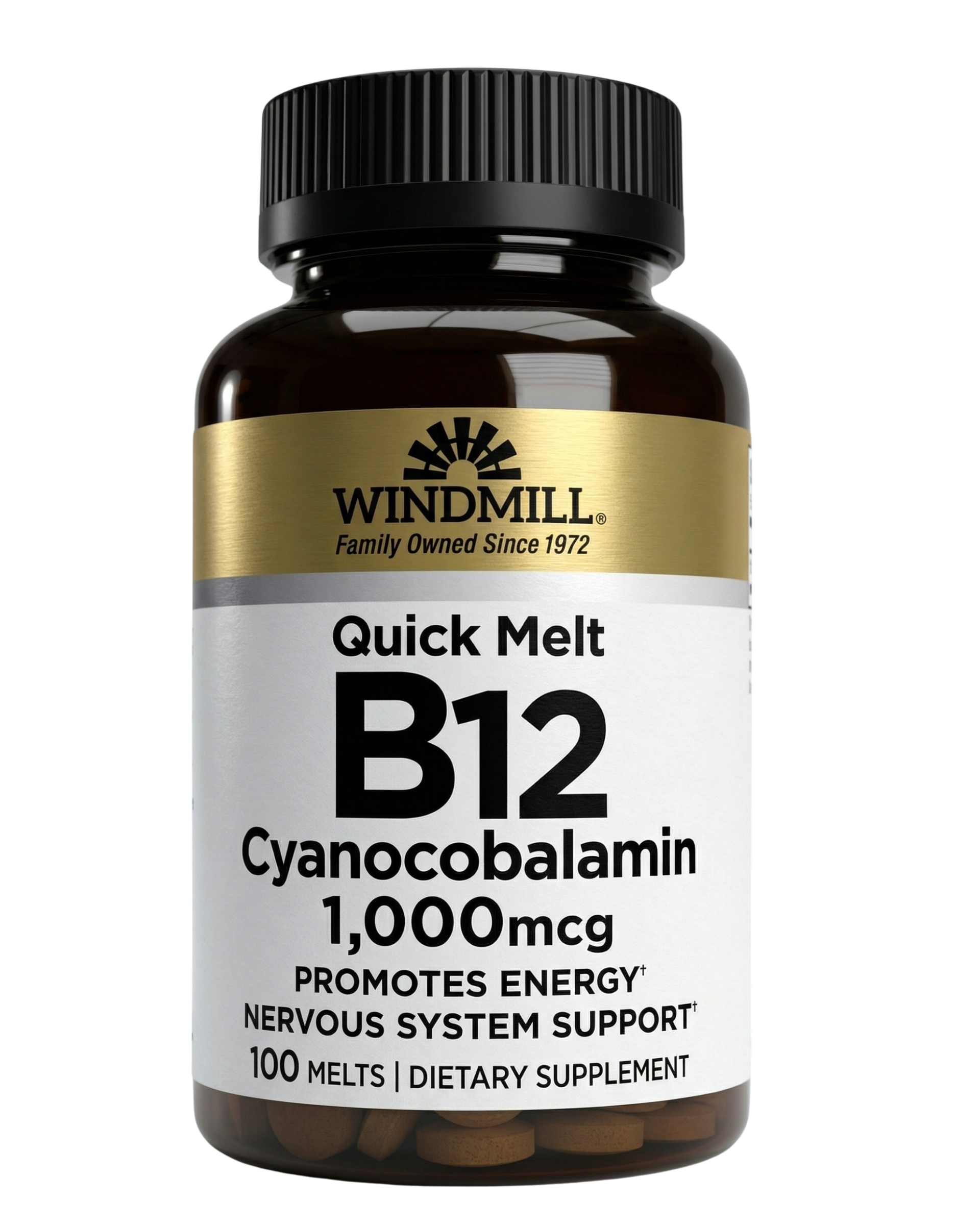
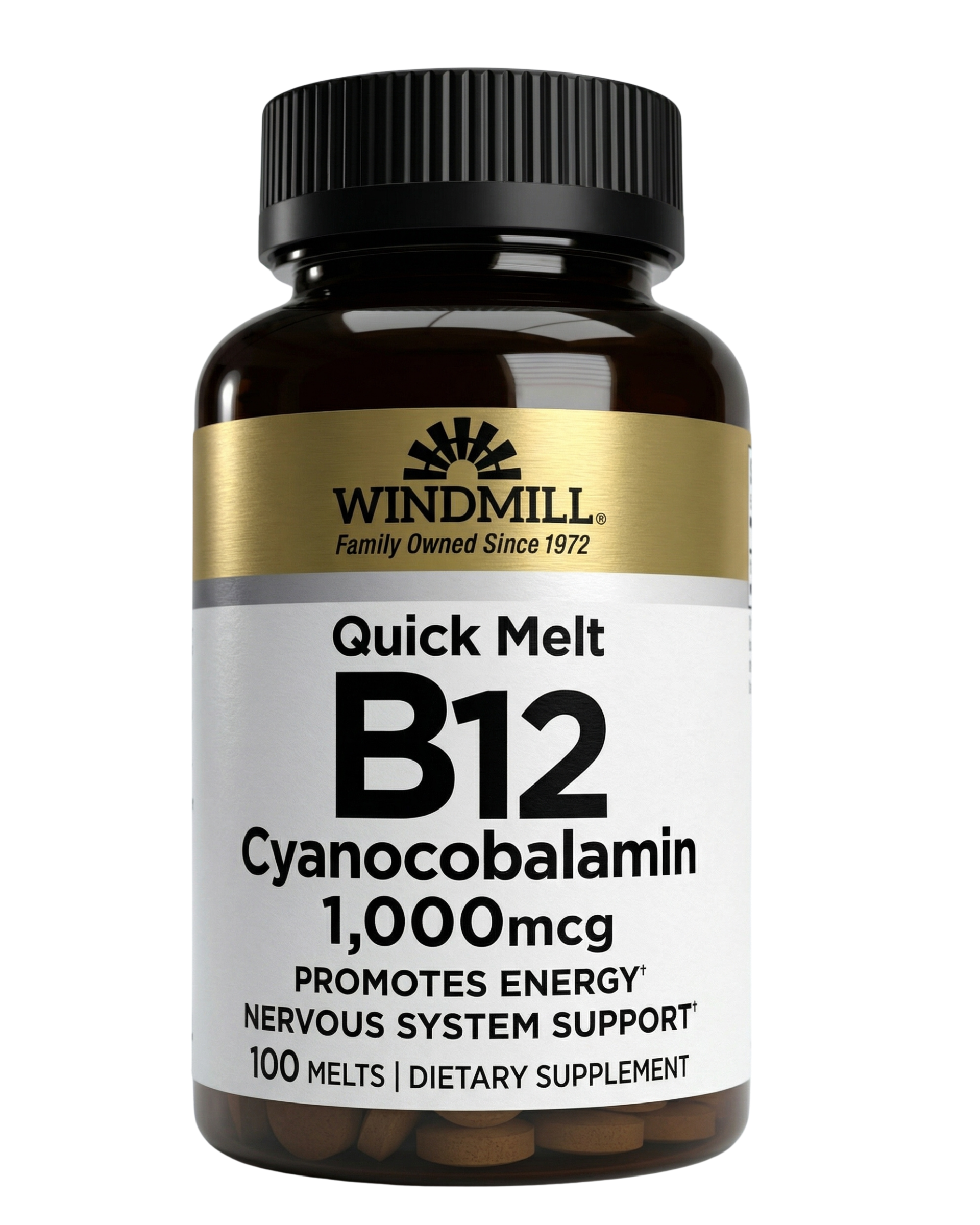
Windmill Vitamin B12 1000mcg Energy Support Tablets 100ct
$11.99
Balanced complex vs. single B12. If your diet is broadly adequate and you want comprehensive metabolic support, a balanced B complex covering all eight B vitamins makes more sense than isolating one. If you have a documented reason to focus on B12 specifically — age-related absorption decline, vegan diet, medication interaction — a high-potency B12 standalone is appropriate.
Sustained release matters. B vitamins are water-soluble, meaning your body excretes what it doesn't use immediately. A sustained-release formula extends the window of availability throughout the day, which aligns better with how your cells actually use these coenzymes — continuously, not in one spike.
Dosage reality check. More is not always better with B vitamins. A "balanced" complex delivers each B vitamin in proportions that support the full pathway, not just one step. Look for B complexes labeled B50 or B100, referring to the approximate milligram/microgram level of the core B vitamins — this is an industry convention that signals a complete formula.
Liquid formats. For people with absorption concerns — older adults, anyone with GI issues — liquid B vitamin formulas bypass some of the barriers that tablets face and may be better utilized.
What to avoid. Proprietary blends that hide individual B vitamin doses. Products making energy claims without a meaningful dose of B vitamins. Formulas with artificial colors or unnecessary fillers.
Frequently Asked Questions
Q: How long does it take to feel a difference when starting B vitamins for energy?
A: It depends on your starting status. People who are genuinely depleted often notice a meaningful shift in fatigue and mental clarity within two to four weeks of consistent daily supplementation. If your B vitamin levels are already adequate, the effect is subtler — you're maintaining the system rather than refilling it.
Q: Can I take B vitamins in the afternoon without it affecting my sleep?
Never run out.
Subscribe to any product and save 10% on your first order, 5% after. Pause or cancel anytime.
Subscribe & Save 10%A: B vitamins are not stimulants, so they won't interfere with sleep the way caffeine does. That said, some people find that taking high-dose B complexes late in the evening causes vivid dreams or mild stimulation — likely due to their role in neurotransmitter synthesis. Morning or midday dosing is generally recommended to align with natural energy rhythms.
Q: Is it possible to take too much of a B complex?
A: For most B vitamins, excess is excreted in urine — hence the bright yellow color after taking a B complex, which is harmless riboflavin. However, B6 is the exception: very high long-term doses (above 100mg/day for extended periods) have been associated with peripheral neuropathy. Standard B50 and B100 complexes are well within safe ranges for healthy adults.
Explore B Vitamin Energy Supplements at Moore Vitamins
For comprehensive, all-pathway energy support, the Super B100 Balanced B Complex Energy Support delivers a full-spectrum B complex at meaningful potency levels — the kind of formula designed for people who want to address cellular energy production across the board, not just spike one pathway.
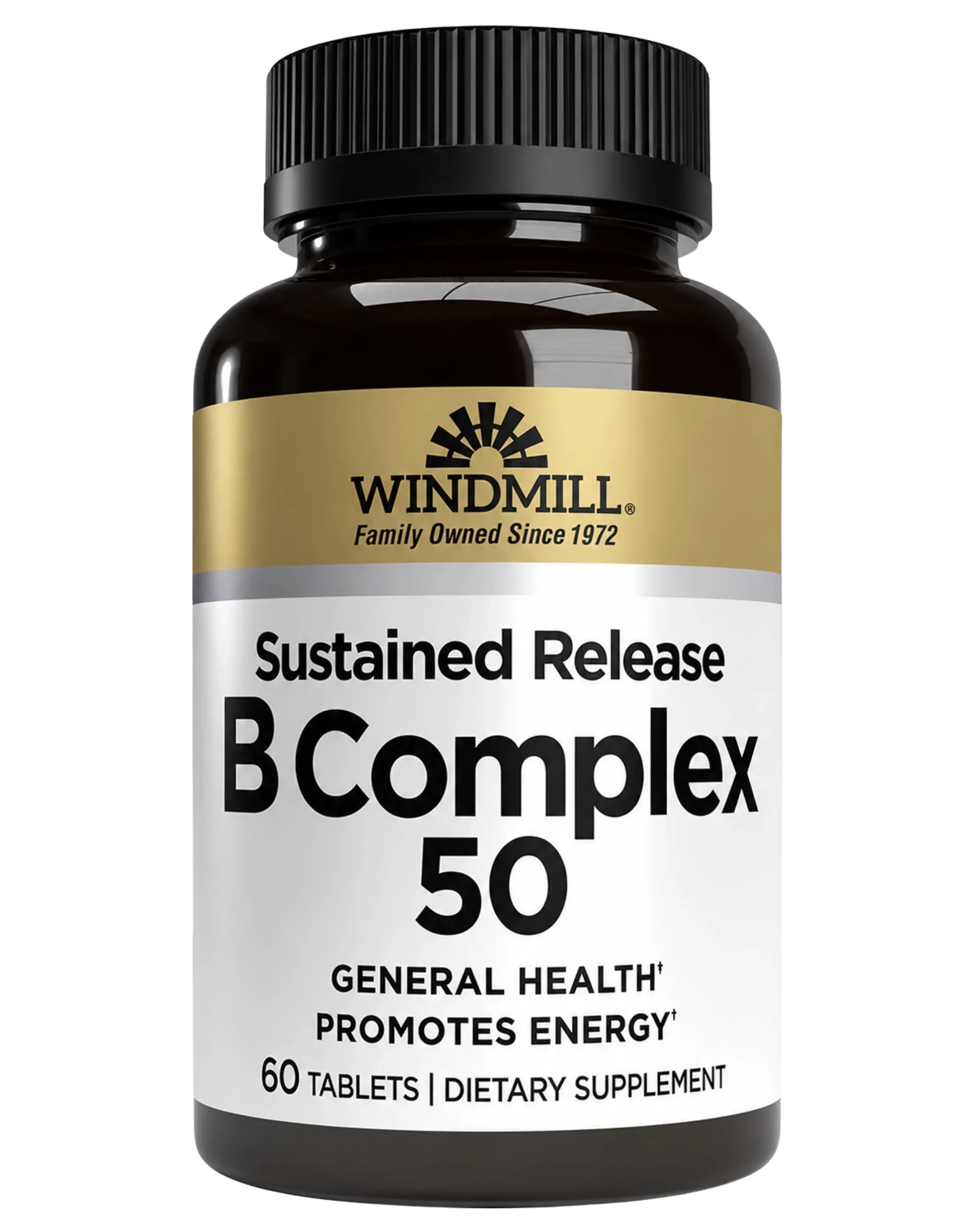
If sustained delivery throughout the day is your priority, the B Complex 50 Sustained Release Energy Support is built around the absorption argument — slower release, longer availability, steadier energy support over the course of your afternoon.
For targeted B12 support — especially relevant for anyone over 40, following a plant-based diet, or managing medication-related absorption concerns — Windmill Vitamin B12 1000mcg Energy Support Tablets delivers a clinically relevant dose in a straightforward format.
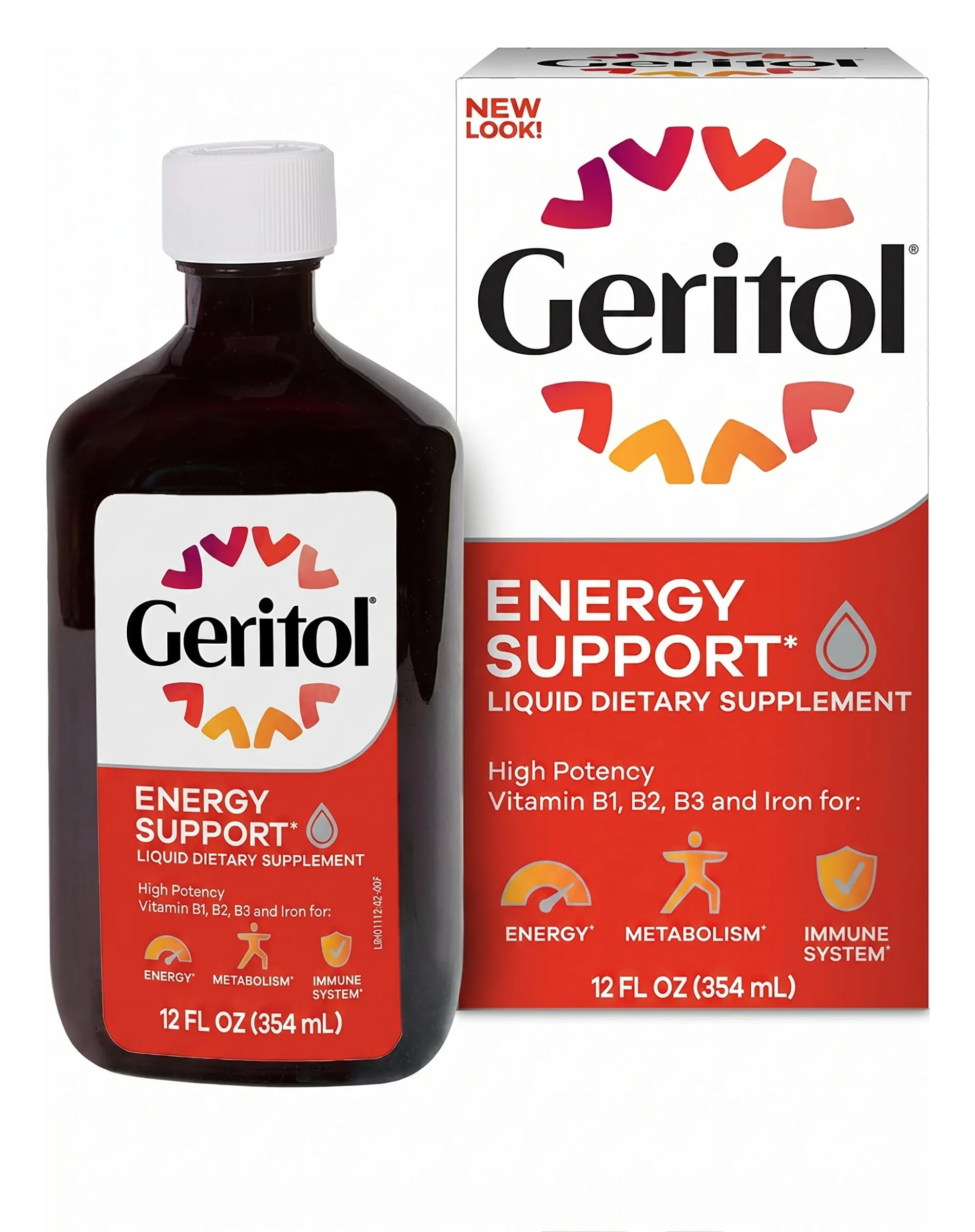
If you prefer a liquid option with broad B vitamin support, Geritol Energy Support Liquid 12oz offers a time-tested formula in an easily absorbed form — particularly useful for anyone who finds tablets difficult or suspects GI absorption is a factor.
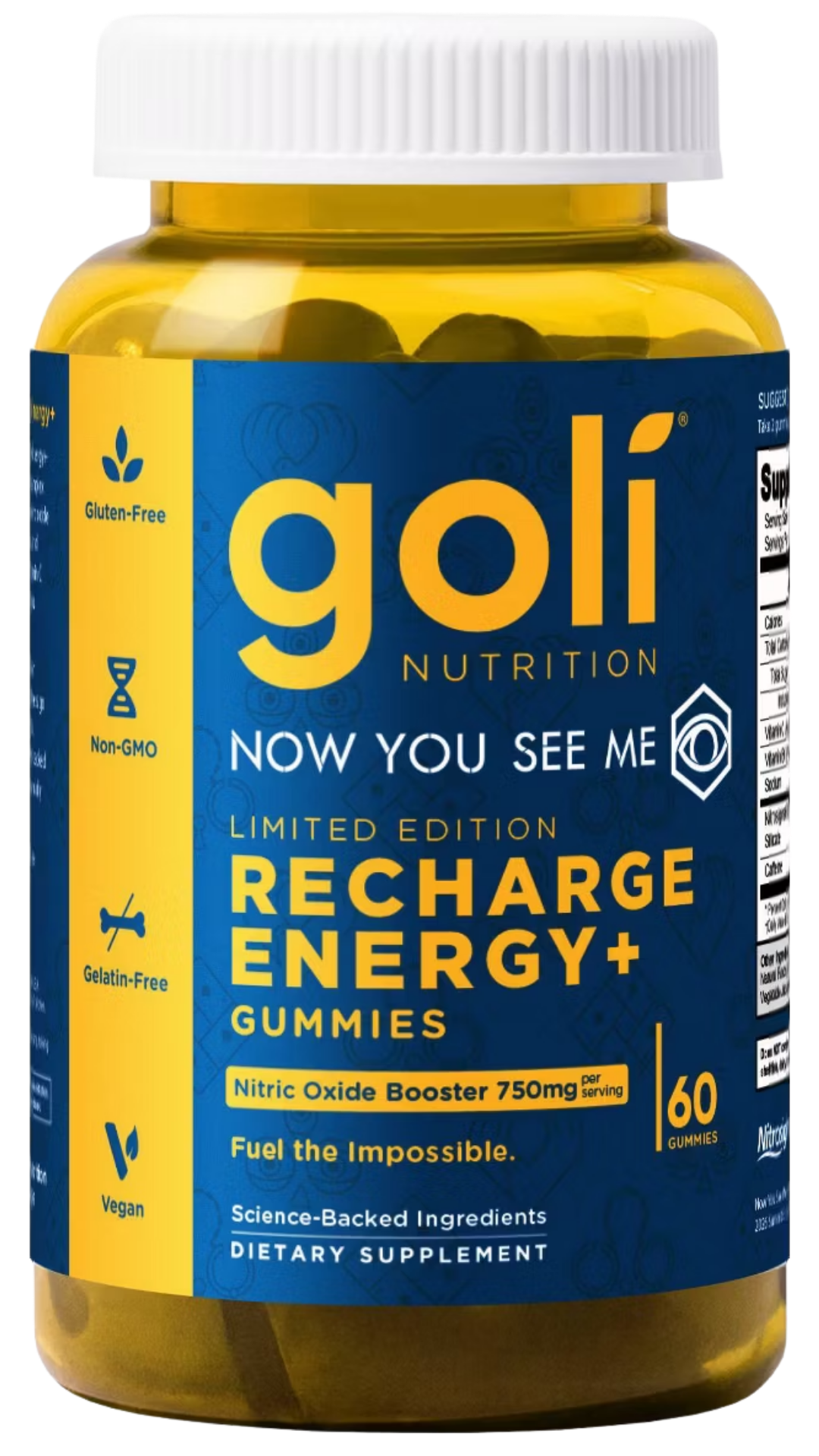
For a convenient on-the-go format that combines B vitamins with complementary energy-support nutrients, Goli Recharge Energy+ Gummies make daily consistency easier — especially for people who struggle to maintain a supplement routine with traditional capsules or tablets.
All products at Moore Vitamins are sourced from GMP-certified manufacturers and ship same day, so you're not waiting a week to start addressing the crash.