Can You Take Magnesium and Vitamin D Together?
Quick Answer: Yes. Magnesium and vitamin D are safe to take together, and they work as a team. Your body can't use the vitamin D you swallow until your liver and kidneys convert it into its active form, and the enzymes that do that conversion need magnesium. Low magnesium may leave some of your vitamin D sitting unused, and nearly half of U.S. adults get less magnesium from food than they need. The easiest routine is vitamin D with your biggest meal of the day, since it's fat-soluble and absorbs better with fat, and magnesium with dinner or in the evening. For most adults the targets are 600 to 800 IU (15 to 20 mcg) of vitamin D and 310 to 420 mg of magnesium a day from all sources. Stay under the supplement upper limits of 4,000 IU of vitamin D and 350 mg of supplemental magnesium unless your doctor tells you otherwise.
Can you take magnesium and vitamin D together?
Yes, at the same time or at different times of day. They don't compete for absorption, and neither one blocks the other.
What makes them worth pairing is how they depend on each other. Vitamin D from sunlight or a supplement is inactive. It goes through two conversion steps, first in the liver and then in the kidneys. The enzymes behind both steps rely on magnesium.
So if you take vitamin D every day but your magnesium intake is low, part of that vitamin D may not get used.
What the research says
A review in the Journal of the American Osteopathic Association described magnesium as essential for activating vitamin D, and noted that people low in magnesium may respond less to vitamin D supplements.
A randomized trial published in the American Journal of Clinical Nutrition found something interesting. Magnesium supplements raised vitamin D levels in people who started low, and nudged them down in people who started high. The researchers suggested magnesium helps keep vitamin D in a healthy range rather than just pushing it up.
The evidence is still building, but the direction is consistent: the two nutrients do better together. The NIH Office of Dietary Supplements magnesium fact sheet and vitamin D fact sheet set out the intakes and upper limits used in this article.
How much of each
| Daily target (adults) | Upper limit from supplements | |
|---|---|---|
| Vitamin D | 600–800 IU (15–20 mcg) | 4,000 IU (100 mcg) |
| Magnesium | 310–420 mg (all sources) | 350 mg (supplements only) |
Two notes on that table:
- The magnesium limit counts supplements only. Magnesium from food (nuts, seeds, leafy greens, beans) doesn't count toward the 350 mg. Above that from pills, the most common side effect is loose stools.
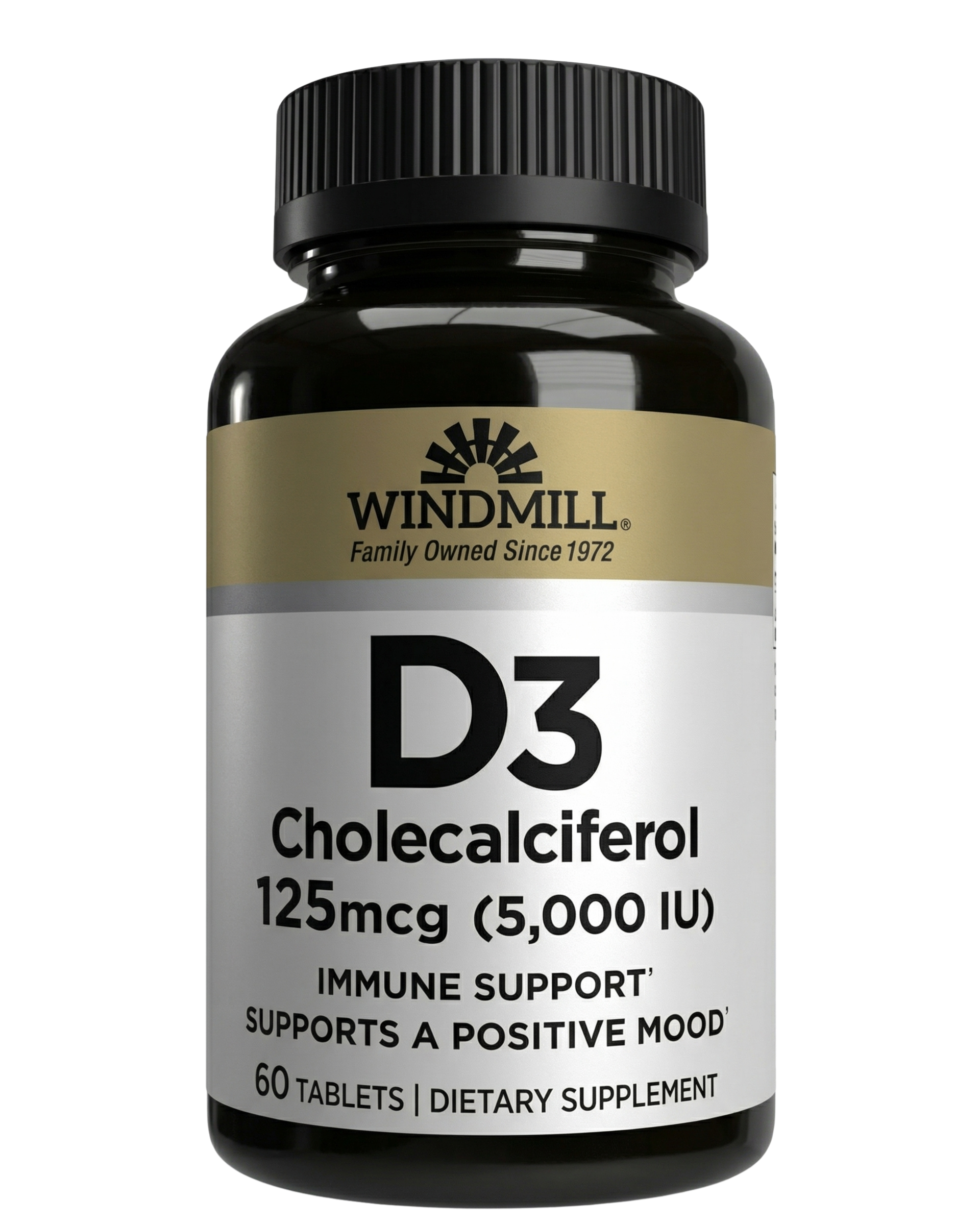
- High-dose vitamin D is a doctor's call. Products with 5,000 IU or more exist for people a doctor is treating for low levels. For everyday use, 1,000 to 2,000 IU is the common range.
The best time to take each one
Vitamin D: with your largest meal. It's fat-soluble, so it absorbs better alongside fat. One study found people absorbed noticeably more vitamin D when they took it with a meal containing fat than with a fat-free meal. Our guide to fat-soluble vitamins explains why.
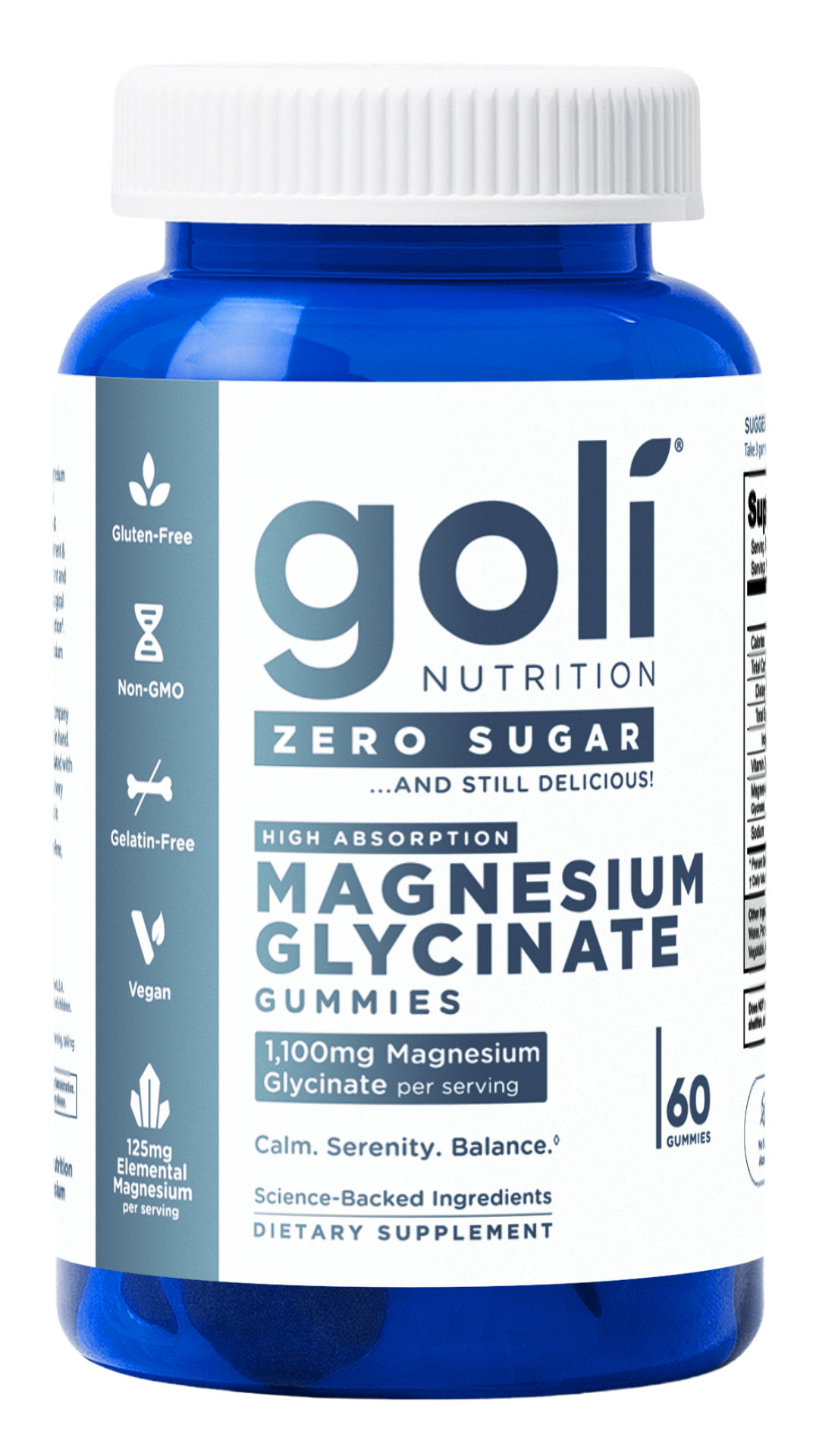
Magnesium: evening is a good default. Many people take magnesium glycinate at night because they find it relaxing, and splitting a dose (half with lunch, half with dinner) is easier on the stomach.
Together is fine too. If one pill time a day is all you'll remember, take both with dinner. Consistency matters more than perfect timing. Our morning vs night supplement cheat sheet covers the rest of your routine.
Common mistakes
Related Product
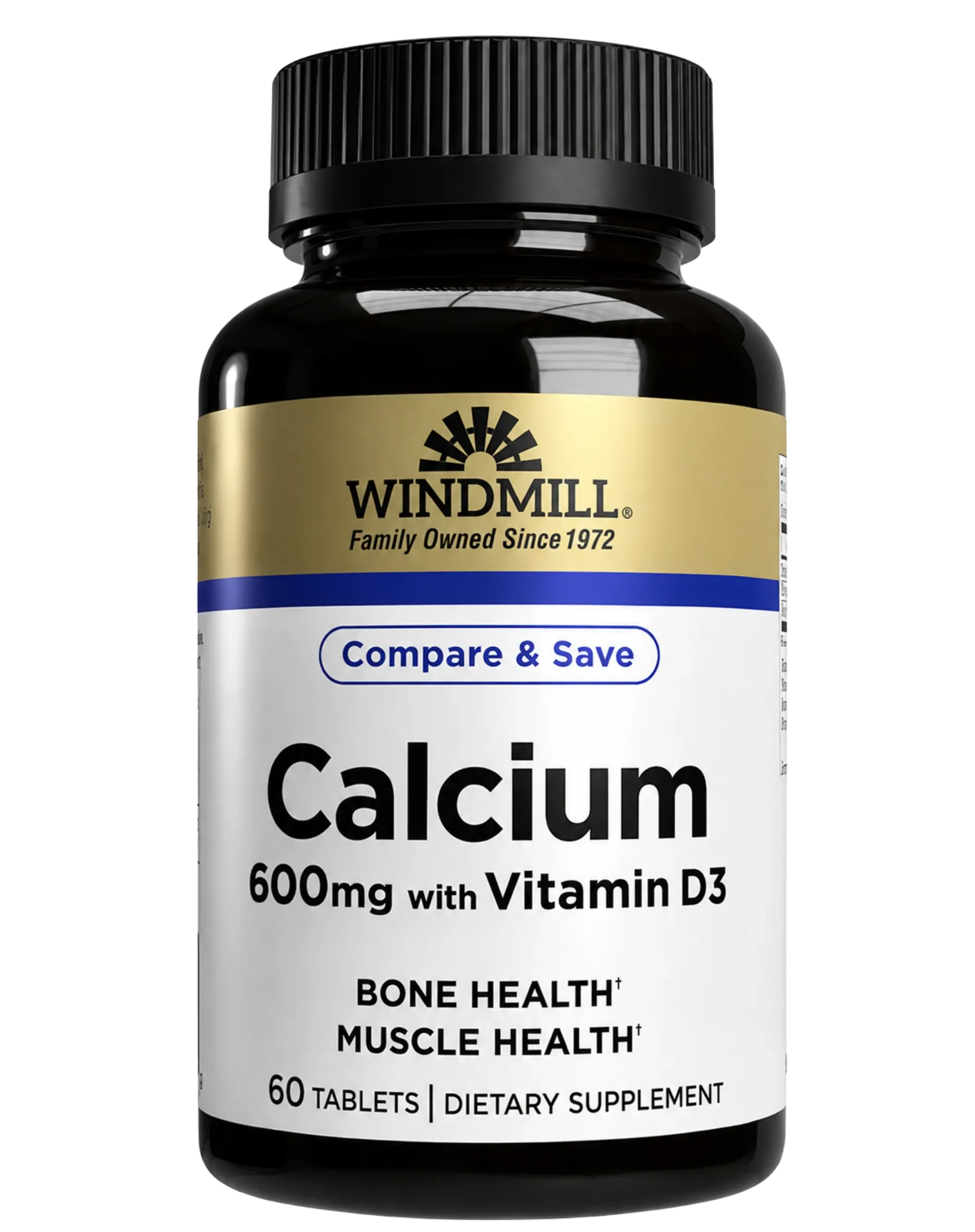
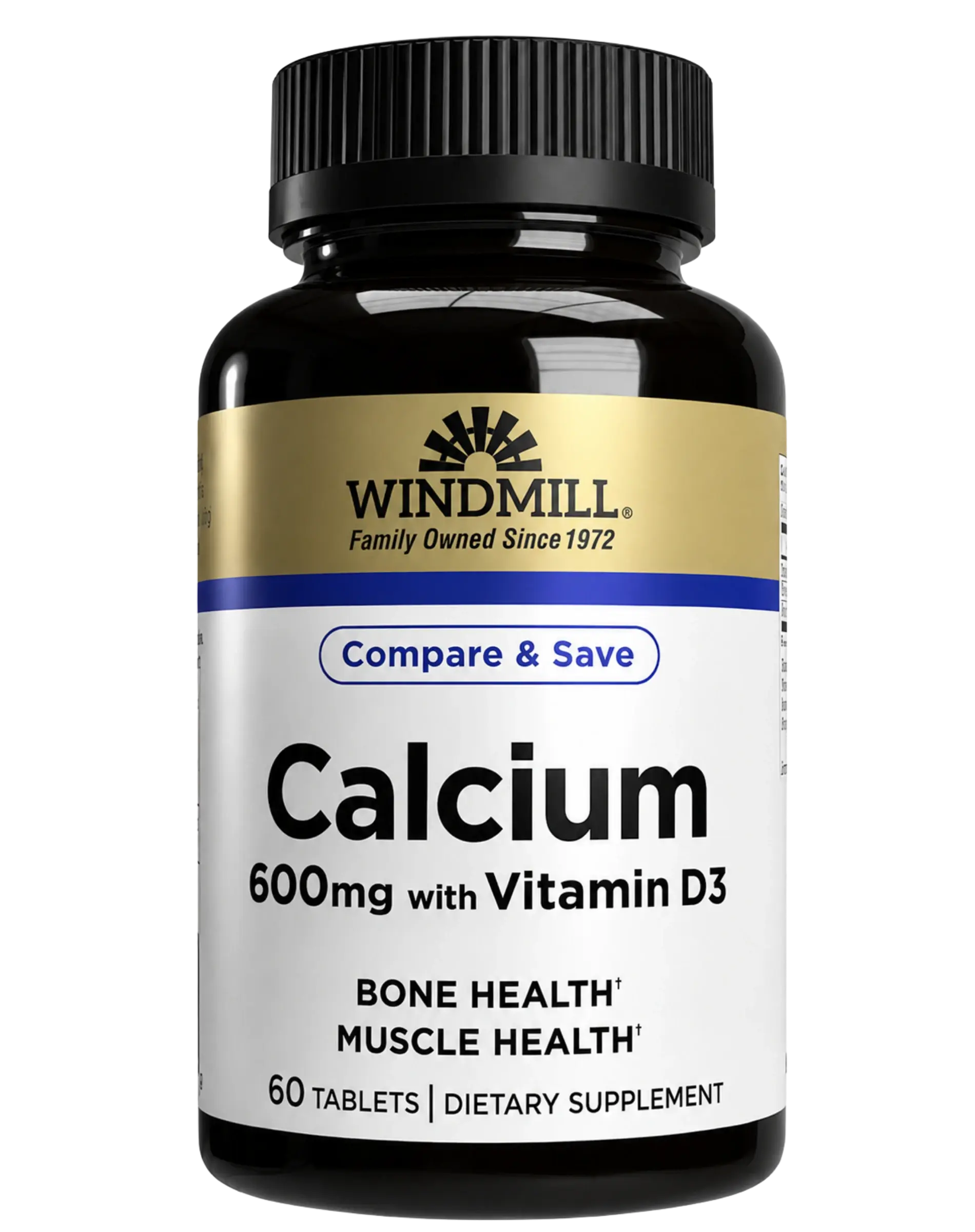
Windmill Calcium 600mg with Vitamin D3 Bone Health Tablets 60ct
$9.99
Picking the cheapest magnesium form. Magnesium oxide holds a lot of magnesium per tablet but absorbs less well than forms like glycinate or citrate. We compare them in magnesium glycinate vs other forms.
Taking vitamin D on an empty stomach. A tablet with black coffee and no breakfast is the least effective way to take it.
Forgetting vitamin K2. Vitamin D increases how much calcium you absorb. Vitamin K2 helps direct that calcium to your bones, which is why many people choose a combined D3 and K2 product.
Stacking products without adding them up. Your multivitamin, a calcium and D combo and a separate D3 can quietly add up. Total your daily IU before adding another bottle.
Who should check with a doctor first
Magnesium can reduce how well some antibiotics and osteoporosis medications absorb, and it builds up in people with reduced kidney function. Vitamin D raises calcium absorption, which matters for anyone with a history of kidney stones or high calcium. If any of that applies to you, or you take prescription medication, ask your doctor or pharmacist how to time these supplements.
Frequently Asked Questions
Q: Does magnesium help vitamin D work better?
A: Research suggests it does. The enzymes that convert vitamin D into its active form depend on magnesium, and one trial found magnesium helped keep vitamin D levels in a healthy range.
Q: Can I take magnesium, vitamin D and calcium together?

Subscribe & Save
Never run out.
Subscribe to any product and save 10% on every order. Pause or cancel anytime.
Subscribe & Save 10%A: Yes, though many people split them. Large calcium doses are absorbed best in amounts of 500 mg or less at a time, so a calcium supplement often goes with one meal and magnesium with another.
Q: Should I take vitamin D in the morning or at night?
A: Either works. What matters most is taking it with a meal that contains some fat. Most people find their largest meal the easiest one to remember.
Q: How long until I notice a difference?
A: Vitamin D levels usually take two to three months of daily use to rise meaningfully. A blood test is the only way to know your level.
Shop Magnesium and Vitamin D at Moore Vitamins
For magnesium, our house-brand Windmill Magnesium Glycinate 200mg Capsules deliver 200 mg of magnesium per 2-capsule serving, a gentle, well-absorbed form that's easy to take in the evening.
For vitamin D, Windmill Vitamin K2 & D3 Tablets give you 1,000 IU (25 mcg) of D3 with 100 mcg of vitamin K2 in a single tablet, so the pair from the "common mistakes" list above is already handled.
Both qualify for Subscribe & Save, which takes 10% off and keeps you from running out. New to vitamin D? Start with Vitamin D: Your Top Questions, Answered.
Read more: peer-reviewed research on magnesium and vitamin D.
Never miss a dose.
Evidence-based wellness guides like this one, in your inbox. No hype, no spam — unsubscribe anytime.