Supporting Nutritional Wellness While Using GLP-1 Medications: Essential Vitamin Considerations
Quick Answer: GLP-1 medications like Ozempic (semaglutide) work by slowing gastric emptying and reducing appetite, which can mean less food overall — and potentially fewer essential vitamins and minerals. The nutrients that may need extra support during treatment include vitamin B12, folate, and thiamine; the fat-soluble vitamins A, D, E, and K, which need dietary fat for absorption; and the minerals iron, calcium, magnesium, and zinc. To support your nutritional wellness while using GLP-1 medications, prioritize nutrient-dense foods (lean proteins, colorful produce, whole grains, healthy fats), eat smaller, more frequent meals to help with tolerance and absorption, and consider bioavailable, third-party tested supplements to help fill gaps when intake drops. Ask your healthcare provider about periodic blood tests for B12, vitamin D, and iron so any concerns are caught early and your plan stays personalized to your individual needs.
Last updated: July 2026
Understanding GLP-1 Medications and Nutritional Impact
GLP-1 receptor agonists, including medications like Ozempic (semaglutide), have gained significant attention for their role in managing blood sugar levels and supporting weight management. However, as with many medications that affect digestion and appetite, these treatments may influence how your body absorbs and utilizes essential nutrients.
These medications work by slowing gastric emptying and reducing appetite source, which can lead to changes in eating patterns and potentially affect nutritional status. Understanding these effects may help you make informed decisions about supporting your overall wellness during treatment. For those looking for targeted support, our GLP-1 Support Metabolic Health formula is specifically designed with these unique nutritional considerations in mind.
Common Nutritional Concerns with GLP-1 Medications
Reduced Food Intake and Nutrient Density
One of the primary mechanisms of GLP-1 medications involves appetite suppression, which often leads to significantly reduced caloric intake. While this can support weight management goals, it may also mean consuming fewer nutrient-dense foods overall. This reduction in food variety and quantity may potentially lead to gaps in essential vitamin and mineral intake.
Gastrointestinal Effects on Absorption
GLP-1 medications may cause gastrointestinal side effects including nausea, vomiting, and changes in digestion patterns. These effects, while often temporary, may influence how well your body absorbs nutrients from food and supplements source. The slowed gastric emptying that helps with satiety may also affect the timing and efficiency of nutrient absorption. A high-quality probiotic supplement can help support digestive health during this adjustment period.
Key Nutrients That May Need Extra Support
B Vitamins
The B vitamin complex plays crucial roles in energy metabolism, nervous system function, and cellular health source. Reduced food intake and potential absorption changes may affect B vitamin status, particularly:
- Vitamin B12: Essential for nerve function and red blood cell formation - consider our Vitamin B12 1000mcg Energy Support
- Folate (B9): Important for DNA synthesis and cellular division
- Thiamine (B1): Supports energy metabolism and nervous system health
Fat-Soluble Vitamins
Vitamins A, D, E, and K require adequate fat intake for proper absorption. Changes in eating patterns and fat consumption may affect the absorption of these essential nutrients. Vitamin D, in particular, supports bone health and immune function source and may need special attention. Our Vitamin D3 5000 IU supplement provides an optimal dose for maintaining healthy levels.
Essential Minerals
Several minerals may require consideration:
- Iron: Important for oxygen transport and energy levels
- Calcium: Essential for bone health and muscle function source
- Magnesium: Supports muscle and nerve function, as well as bone health - our Magnesium Glycinate 200mg offers superior absorption
- Zinc: Important for immune function and wound healing
Supporting Your Nutritional Wellness
Focus on Nutrient-Dense Foods
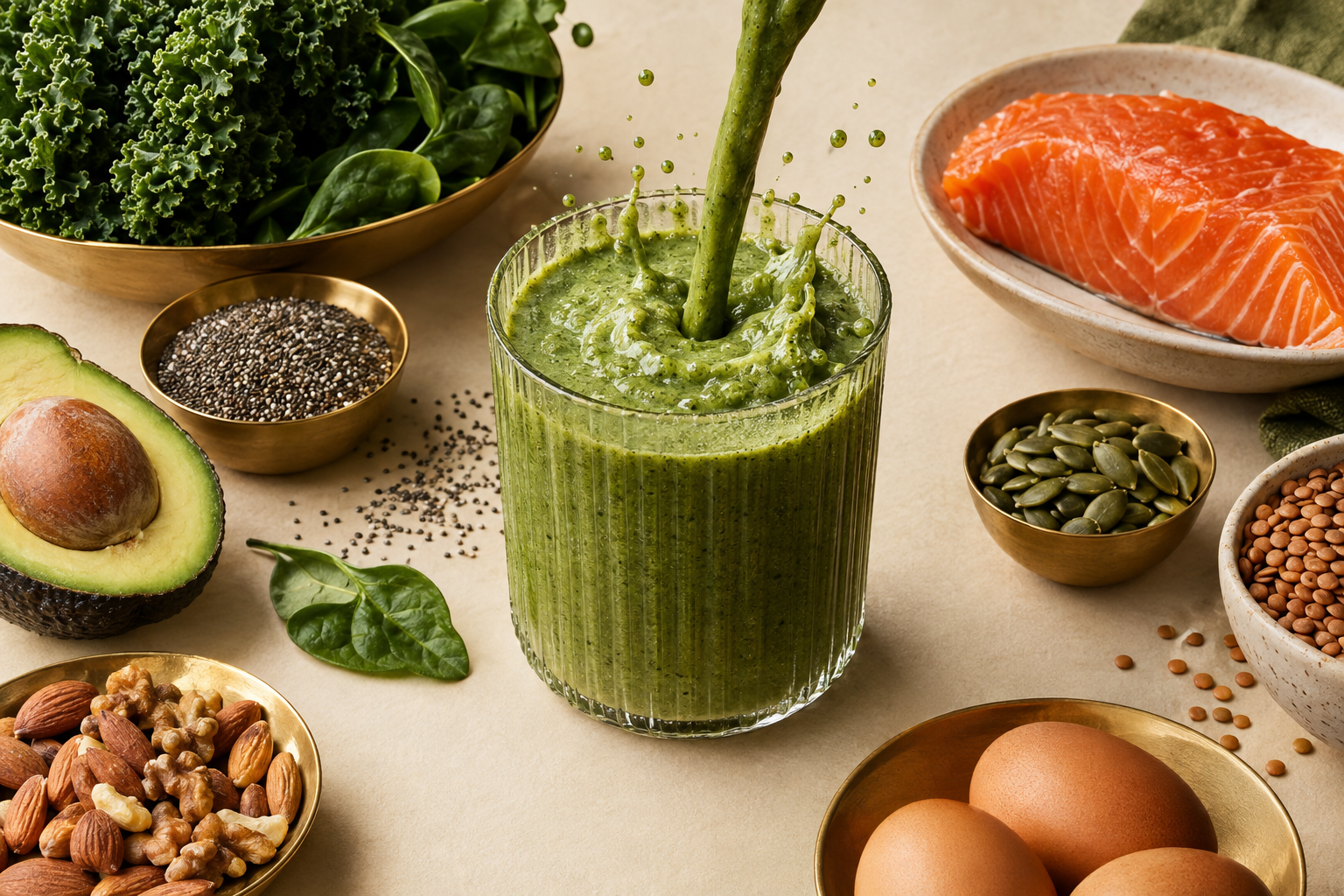
When appetite is reduced, making every bite count becomes even more important. Prioritizing foods rich in vitamins, minerals, and protein may help maintain nutritional status. Consider incorporating:
- Lean proteins for essential amino acids
- Colorful vegetables and fruits for vitamins and antioxidants
- Whole grains for B vitamins and fiber
- Healthy fats for fat-soluble vitamin absorption
Consider Timing and Form
The timing and form of nutrient intake may become more important when using GLP-1 medications. Smaller, more frequent meals may help with both medication tolerance and nutrient absorption. Some individuals find that certain supplement forms are better tolerated than others.
Monitor Your Wellness
Regular check-ins with healthcare providers may help identify any nutritional concerns early. Blood tests can assess levels of key nutrients like B12, vitamin D, and iron, helping guide personalized nutrition strategies.
Never run out.
Subscribe to any product and save 10% on every order. Pause or cancel anytime.
Subscribe & Save 10%The Role of High-Quality Supplements
While a balanced diet remains the foundation of good nutrition, high-quality supplements may help fill potential gaps when food intake is significantly reduced. Look for supplements that:
- Provide bioavailable forms of nutrients
- Are third-party tested for purity and potency
- Include appropriate dosages based on current research
- Are formulated for optimal absorption
Supporting Your Journey Forward
Navigating nutritional wellness while using GLP-1 medications doesn't have to be overwhelming. By understanding potential challenges and taking proactive steps to support your nutrient intake, you may help maintain your overall health and energy levels throughout your treatment journey.
Remember that individual needs vary, and what works best for one person may differ for another. Working with healthcare providers familiar with both your medication regimen and nutritional needs may provide the most personalized approach to supporting your wellness goals.
For comprehensive nutritional support, explore our full collection of vitamins and supplements designed to support your health journey.
Shop the Products Mentioned
Never miss a dose.
Evidence-based wellness guides like this one, in your inbox. No hype, no spam — unsubscribe anytime.