How Much Sugar Is Really in Your Gummy Vitamins — And Does It Actually Matter?
Your multivitamin might be quietly adding more sugar to your day than a small cookie. Most popular gummy vitamin brands deliver 2–8 grams of added sugar per serving — sometimes more for children's formulas — which compounds fast if you're taking multiple gummy supplements daily. The American Heart Association recommends no more than 25 grams of added sugar per day for women and 36 grams for men. Two gummy multivitamins plus a gummy vitamin D plus a gummy B12 can quietly consume 20–30% of that budget before breakfast. For most healthy adults taking a single gummy supplement daily, that tradeoff is probably fine. But for people managing blood sugar, following a low-carb diet, or giving gummies to young children whose sugar tolerance is lower, the numbers deserve a second look. If gummy vitamins are part of your daily stack, this breakdown will help you figure out whether the sugar is actually a problem for your specific situation — and what to do about it either way.
The Sugar in Gummy Vitamins Is Real, But Context Is Everything
Supplement labels are required to list added sugars, and most gummy vitamins lean heavily on glucose syrup, sucrose, or both. These aren't trace amounts added for palatability — sugar is structurally essential to the gummy format. Without it, you don't get a gummy. You get a tablet.
That structural role is worth understanding. Sugar provides the texture, the shelf stability, and — honestly — the reason most people actually take their vitamins consistently. Adherence matters in supplementation. A vitamin that sits untouched in the cabinet helps nobody.
So the sugar isn't accidental or negligent. It's a deliberate formulation choice, and that's worth acknowledging before declaring gummies categorically bad.
What the Research Actually Shows
Studies on added sugar consumption focus overwhelmingly on dietary sources — sweetened beverages, ultra-processed foods, baked goods. Research specifically examining the health impact of sugar from gummy supplements is extremely limited, because the absolute quantities involved are small compared to food sources.
A serving of two gummy multivitamins with 4 grams of sugar contributes about 16 calories from sugar. For context, a single teaspoon of sugar is 4 grams. This is not the sugar load driving metabolic disease in population studies.
Where peer-reviewed research on sugar and metabolic health consistently draws concern is at cumulative intakes above 10% of total daily calories. For a 2,000-calorie diet, that's 50 grams. One gummy supplement doesn't get you there.
The legitimate concern isn't any single product. It's stacking. Someone taking a gummy multivitamin, gummy omega-3, gummy sleep aid, and gummy collagen daily could easily consume 12–20 grams of added sugar from supplements alone — before a single meal.
The Pediatric Case Is Different
Children's gummy vitamins are where sugar content deserves sharper scrutiny. Many children's formulas contain 3–5 grams of sugar per serving, and kids are often more likely to eat them like candy than treat them as medicine. The American Academy of Pediatrics has flagged excessive added sugar intake as a meaningful contributor to early childhood caries (tooth decay) — and gummy vitamins, like gummy candy, stick to tooth enamel.
Research on sugar and pediatric dental health suggests that timing matters: taking gummy vitamins with meals (rather than as a standalone snack) and following up with water reduces the cavity risk compared to eating them between meals.
For kids, the practical guidance is simple: gummy vitamins after a meal, followed by water or tooth brushing if taken at bedtime.
The Sugar-Free Gummy Problem Nobody Talks About
The obvious answer seems to be: switch to sugar-free gummies. And it's a reasonable move — but not without its own considerations.
Sugar-free gummy vitamins typically use sugar alcohols (sorbitol, maltitol, xylitol) or newer non-nutritive sweeteners like allulose. These solve the blood sugar spike issue, but some come with GI side effects. Sorbitol and maltitol in particular are known to cause bloating, gas, and loose stools in sensitive individuals — especially at higher doses.
Xylitol is worth flagging separately: it's well-tolerated by humans in moderate amounts, but it's acutely toxic to dogs. If you have pets, a xylitol-sweetened gummy vitamin left on a counter is a genuine hazard.
Allulose-based formulations are newer and show a cleaner tolerability profile in most adults, with emerging research on allulose and glycemic response suggesting minimal blood sugar impact and better GI tolerance than older sugar alcohols. These formulations are worth seeking out if you want the gummy format without the sugar trade-off.
What to Look For When Buying
Related Product
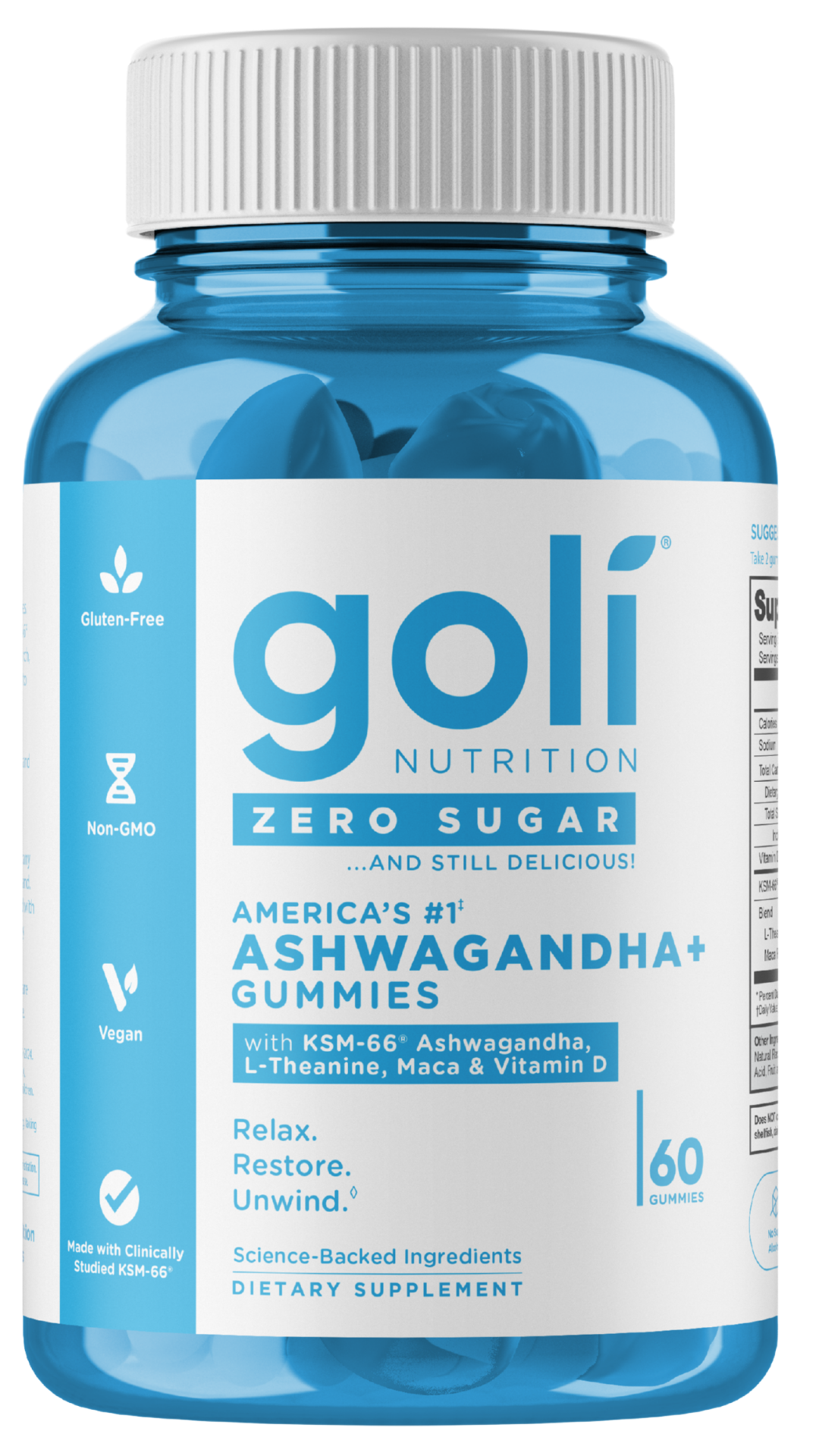
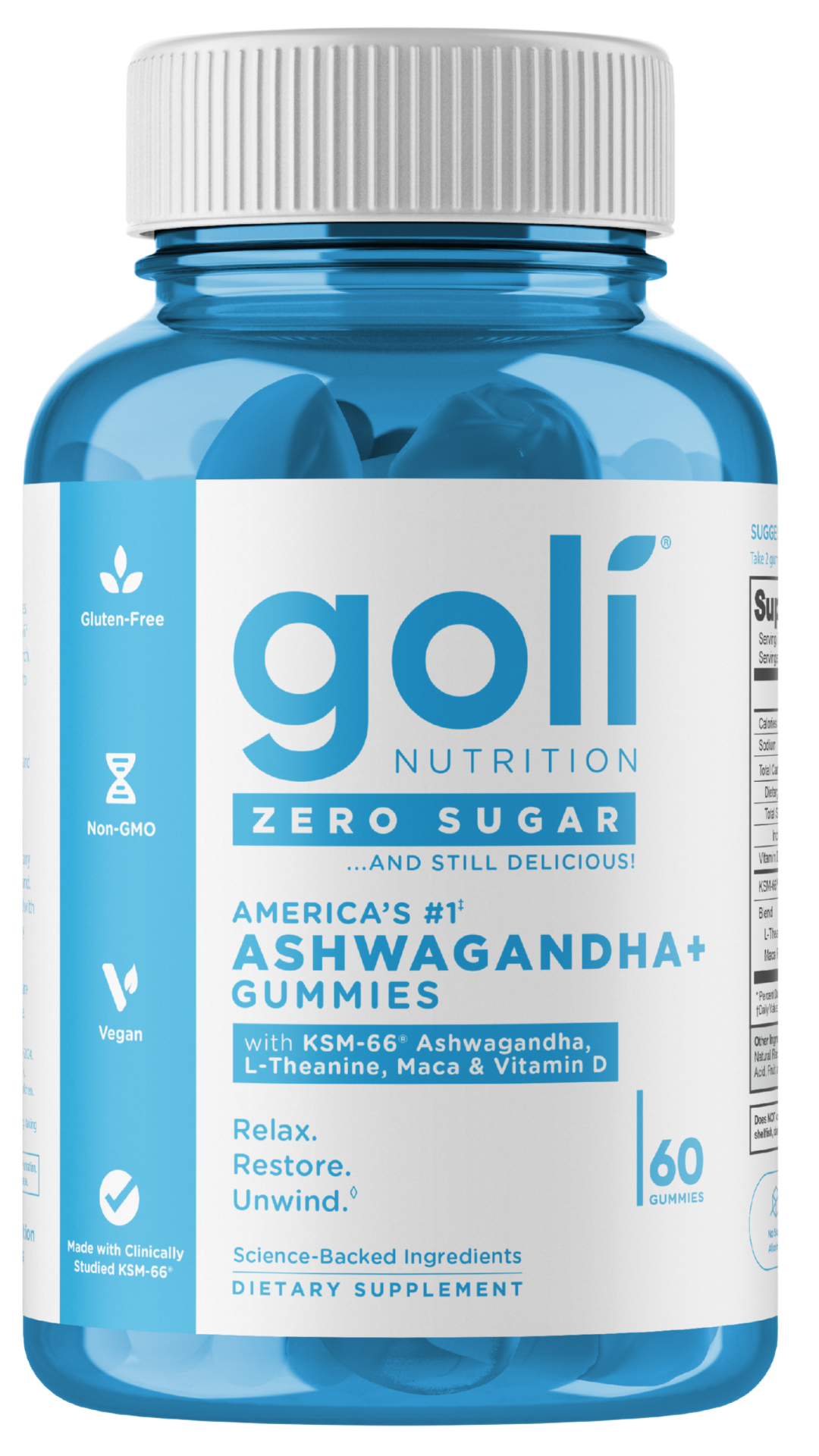
Goli Zero Sugar Ashwagandha Gummies 60ct
$17.98
Check the serving size first. Some brands list one gummy as a serving on the Supplement Facts panel, while the front label says "take two daily." Always read the Supplement Facts panel, not the front of the bottle.
Added sugar vs. total sugar. The Nutrition Facts panel distinguishes between total sugars and added sugars. Prioritize the added sugar number — it's what you're deliberately putting in the formula.
Target under 3g added sugar per serving if you're taking multiple gummy supplements daily. Single-supplement users have more flexibility.
For children's gummies, look for formulas with 2g or less per serving, and cross-reference with age-appropriate dosing. Many adult formulas are dosed for adults — children taking them may get inappropriate nutrient levels.
Avoid gummies with both sugar and sugar alcohols listed — this is a sign of a reformulation attempt that kept the old sweeteners instead of replacing them. You get the calories and the GI risk.
Quality signals that matter regardless of sweetener: GMP certification means the facility follows manufacturing standards. Third-party testing (NSF, USP, or Informed Sport verification) means an independent lab confirmed the product contains what it claims. These certifications apply to gummies just as they do to capsules — and are just as important.
If absorption between formats is your concern, our earlier breakdown on Gummy Vitamins vs. Capsules: Are You Actually Absorbing What the Label Promises? covers that comparison in detail.
The Honest Verdict
Sugar in gummy vitamins is a real consideration — not a panic-worthy scandal. For healthy adults taking one or two gummy supplements daily, the added sugar is unlikely to move the needle on any health outcome. For people managing diabetes or insulin resistance, or for parents giving multiple gummy supplements to young children, the cumulative sugar load warrants attention. Read the label, count your daily gummy stack, and switch to sugar-free formulations if the numbers add up to something meaningful.
Never run out.
Subscribe to any product and save 10% on your first order, 5% after. Pause or cancel anytime.
Subscribe & Save 10%Frequently Asked Questions
Q: Do gummy vitamins spike blood sugar the same way candy does?
A: A standard serving of 2 gummy vitamins with 3–4 grams of sugar produces a small glycemic response — significantly less than a candy bar or sweetened beverage. For most people, it's not a meaningful concern. Those with diabetes or insulin resistance should check with their healthcare provider and consider sugar-free alternatives.
Q: Are sugar-free gummy vitamins actually better for you?
A: They eliminate the added sugar, which is a genuine benefit for some people. But sugar alcohols like sorbitol and maltitol can cause digestive discomfort in sensitive individuals. Look for newer formulations using allulose or monk fruit sweeteners, which tend to have a cleaner tolerability profile.
Q: Can my child eat gummy vitamins like candy if they taste the same?
A: No — and this is one of the more important storage considerations for parents. Gummy vitamins contain real doses of fat-soluble vitamins (like A and D) that accumulate in the body and can reach toxic levels if over-consumed. Keep them out of reach, treat them as a supplement with a dose limit, and never describe them to children as a treat.
Where to Find Quality Gummy Vitamins
Moore Vitamins carries a GMP-certified selection of gummy supplements, with same-day fulfillment and a Subscribe & Save option that keeps your daily stack consistent without the reorder hassle. Every product in the lineup meets third-party quality standards — so you know what's on the label is actually in the bottle.