The Magnesium Gap: Why Women Over 40 Are the Most Deficient — and What It's Costing Them
Nearly every symptom women over 40 chalk up to "just getting older" — the 3 a.m. wake-ups, the leg cramps, the low-grade anxiety, the relentless fatigue — shares one overlooked common denominator: magnesium deficiency. According to the NIH Office of Dietary Supplements magnesium fact sheet, roughly 48% of Americans don't meet their daily magnesium requirement, and perimenopausal women are disproportionately represented in that number. Estrogen actively helps cells retain magnesium; as estrogen drops through perimenopause, magnesium excretion accelerates. The result is a compounding deficit that hits exactly when women need this mineral most — during the years when bone density, sleep architecture, and nervous system regulation are all under simultaneous pressure. If you're managing any combination of disrupted sleep, muscle tension, mood swings, or bone health concerns after 40, understanding this one nutrient could reframe everything.
Why Magnesium Is the Women's Health Story of 2026
The conversation around women's health over 40 has historically orbited hormones — estrogen patches, progesterone creams, HRT debates. That conversation isn't going away. But in 2026, researchers and clinicians are increasingly pointing to a foundational nutritional layer underneath the hormonal one that gets almost no attention: micronutrient status.
Magnesium sits at the center of that shift. Peer-reviewed research on magnesium and perimenopause has accelerated significantly over the past three years, and the pattern emerging is consistent — perimenopausal and postmenopausal women show measurably lower serum and intracellular magnesium than age-matched premenopausal women, independent of dietary intake.
What makes this a 2026 story specifically is the growing recognition that magnesium deficiency isn't just one problem — it's a master switch. Magnesium is a cofactor in over 300 enzymatic reactions. When it's low, sleep quality degrades, stress hormones spike harder, muscles don't relax properly, and bone remodeling slows. That's not a coincidence list. That's the symptom profile of the average woman in her mid-40s.
What the Magnesium-Estrogen Connection Actually Means
Magnesium and estrogen have a bidirectional relationship most people don't know about. Estrogen upregulates magnesium uptake into cells and bones. When estrogen levels begin their perimenopausal decline — often starting in the late 30s, well before periods become irregular — cellular magnesium retention drops with it.
At the same time, cortisol (which tends to climb under the chronic stress that defines many women's lives in this decade) actively depletes magnesium through increased urinary excretion. Caffeine does the same. So does a diet heavy in processed foods, which is low in magnesium to begin with.
The compounding effect: the transition into perimenopause creates a biological environment that burns through magnesium faster, while the dietary and lifestyle factors common in midlife simultaneously reduce intake and accelerate loss. It's a deficit that builds silently for years before symptoms become undeniable.
What the Current Research Shows
The evidence on magnesium and women's midlife health has moved well past "promising." It's substantive across multiple domains.
Sleep: Magnesium regulates GABA receptors, the same inhibitory pathway that sleep medications target pharmacologically. Research on magnesium and sleep quality consistently associates supplementation with improved sleep onset, fewer nighttime awakenings, and better morning alertness — exactly the sleep disruptions most common in perimenopause.
Bone density: This is where the data gets particularly important. Roughly 60% of bone magnesium is stored in the skeleton, and it's required for proper calcium metabolism and vitamin D activation. Without adequate magnesium, calcium supplementation is significantly less effective. Women entering perimenopause face accelerating bone turnover — magnesium is non-negotiable in that context.
Mood and stress regulation: Magnesium modulates the HPA axis, the body's core stress-response system. Low magnesium is consistently associated with heightened anxiety, irritability, and lower stress resilience. These aren't just emotional complaints — they have a measurable physiological substrate.
Muscle function: Nighttime leg cramps, persistent muscle tension, and slower post-exercise recovery are textbook low-magnesium presentations. The mineral governs the calcium-magnesium pump that controls muscle contraction and relaxation at the cellular level.
What's still being clarified: the optimal form for each use case, and whether intracellular magnesium levels (harder to test than serum) are a better clinical marker. Current serum testing frequently misses true deficiency.
Who Benefits Most From Prioritizing Magnesium
Not every woman over 40 has the same magnesium profile. But several groups face particular risk:
- Women in perimenopause (roughly 38–52): Declining estrogen means declining cellular magnesium retention, full stop.
- High-stress professionals: Cortisol depletes magnesium; chronic stress is a chronic drain.
- Women taking PPIs or diuretics: Both drug classes significantly impair magnesium absorption or accelerate excretion.
- Women prioritizing bone health: If you're taking calcium, you need adequate magnesium for it to work.
- Poor or disrupted sleepers: Especially those experiencing perimenopausal night sweats and 3–4 a.m. waking patterns.
- Frequent exercisers: Sweat increases magnesium loss; active women have higher baseline requirements.
If you identify with two or more of these, your magnesium status almost certainly warrants attention.
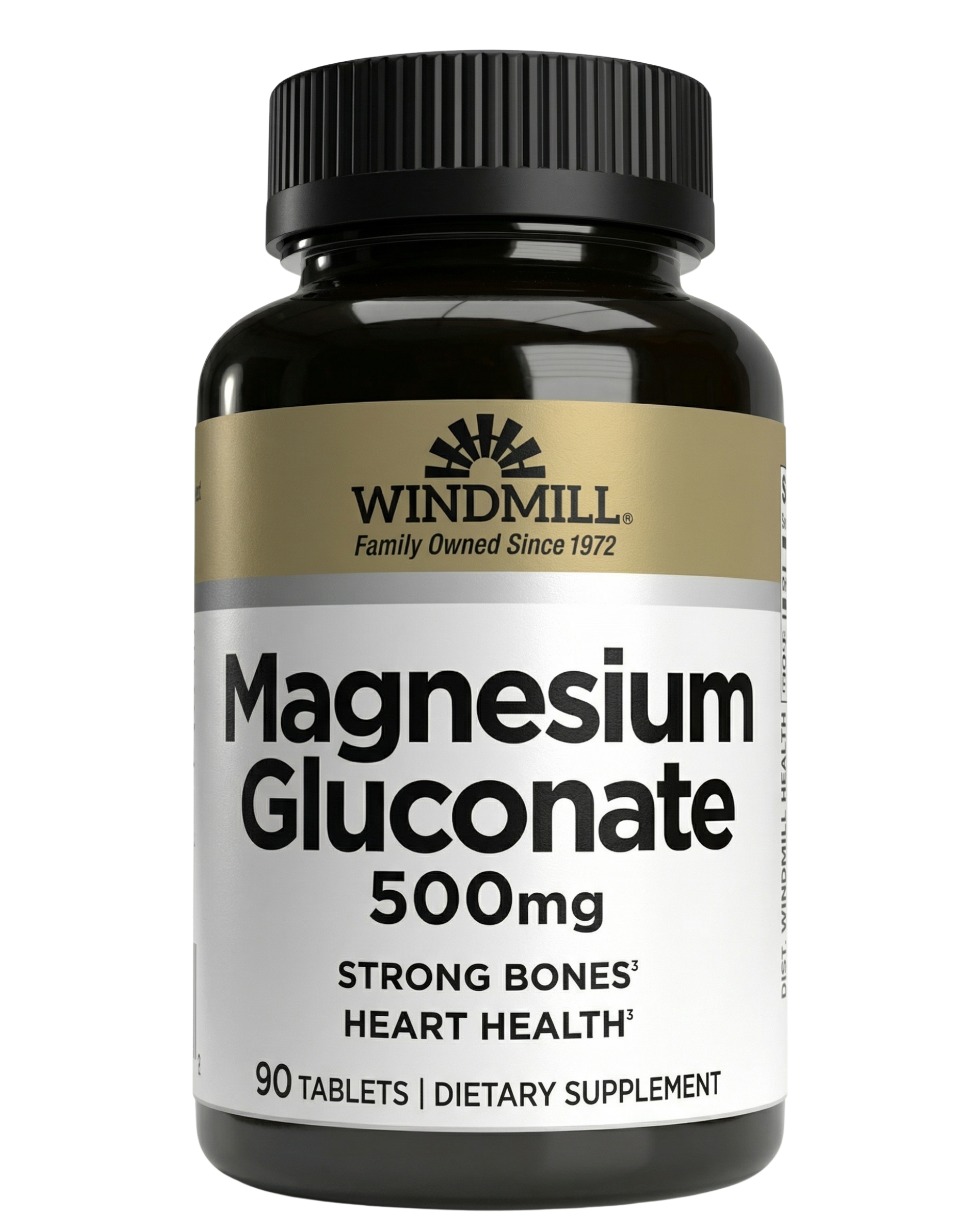
Related Product
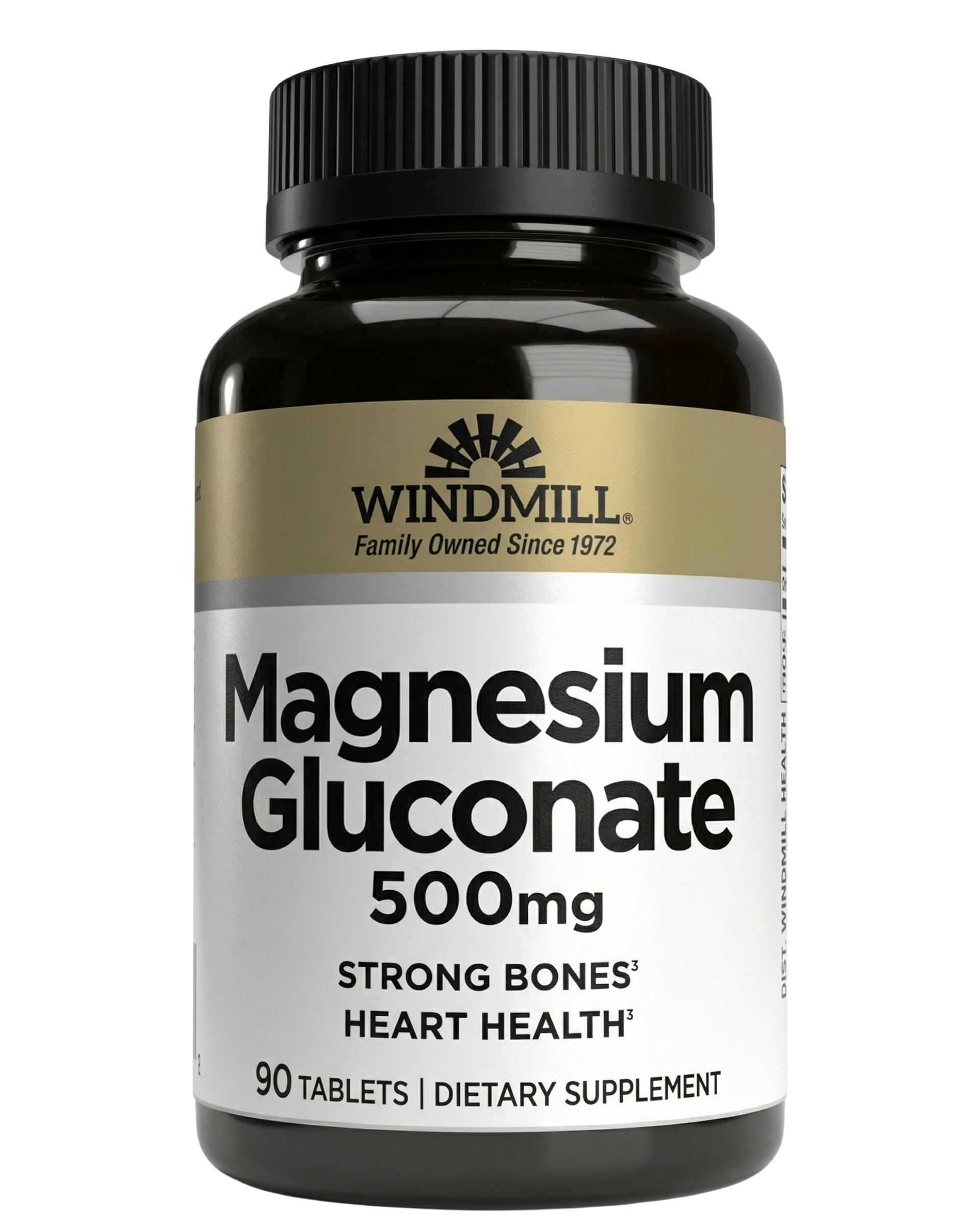
Magnesium Gluconate 500mg Gentle Formula Tablets 90ct
$9.99
How to Choose a Quality Magnesium Supplement After 40
Form matters enormously here. Not all magnesium supplements deliver the same bioavailability or therapeutic effect.
Magnesium citrate is the benchmark for absorption. Its organic acid salt structure makes it significantly more bioavailable than inorganic forms — research puts absorption roughly 25–40% higher than magnesium oxide in head-to-head comparisons. It's the best all-purpose choice for women prioritizing sleep, mood, and muscle function.
Magnesium oxide delivers a high elemental magnesium content per tablet and is well-suited for women focused specifically on bone and muscle support, where the broader mineral load matters. It's a cost-effective option with a strong track record in bone health contexts.
What to look for on the label:
- Third-party tested or GMP-certified manufacturing
- Elemental magnesium dose clearly listed (not just the compound weight)
- No unnecessary fillers, artificial dyes, or proprietary blends that obscure actual dose
- 300–400 mg elemental magnesium per day is the standard target for adult women
What to avoid:
- Magnesium stearate-heavy formulas where the dose is unclear
- "Proprietary blend" labels that hide actual magnesium content
- Pairing high-dose magnesium with high-dose calcium in the same dose — take them at separate times for best absorption
Timing: Magnesium works best taken in the evening, 30–60 minutes before bed, particularly for sleep and muscle relaxation benefits.
Frequently Asked Questions
Never run out.
Subscribe to any product and save 10% on every order. Pause or cancel anytime.
Subscribe & Save 10%Q: Can low magnesium actually cause anxiety and mood swings in perimenopause?
A: Yes — and this connection is underappreciated clinically. Magnesium is required for proper regulation of the HPA (hypothalamic-pituitary-adrenal) axis, which governs cortisol and stress response. When magnesium is low, the nervous system becomes hyperreactive. This doesn't replace the hormonal component of perimenopausal mood changes, but it significantly amplifies it. Restoring adequate magnesium often produces noticeable reductions in baseline anxiety within 2–4 weeks.
Q: My doctor tested my magnesium and said it was normal. Should I still consider supplementing?
A: Serum magnesium tests are notoriously poor at detecting true deficiency. Less than 1% of total body magnesium circulates in the blood — the body tightly regulates serum levels by pulling magnesium from bones and cells. A "normal" serum result can coexist with significant intracellular depletion. If your symptoms align with low magnesium (poor sleep, muscle cramps, fatigue, anxiety), the clinical picture matters as much as the lab value.
Q: How long does it take to feel a difference from magnesium supplementation?
A: Most women notice sleep and muscle improvements within 1–3 weeks of consistent daily supplementation. Mood and stress resilience improvements typically follow at the 3–6 week mark. Bone-related benefits operate on a longer timeline — bone remodeling cycles run approximately 3 months, so allow at least a full quarter before evaluating that dimension.
Explore Magnesium Supplements for Women at Moore Vitamins
For women prioritizing absorption and sleep support, the Windmill Magnesium Citrate 400mg Tablets 60ct is the standout choice — citrate form delivers superior bioavailability, right at the 400 mg daily target.
If bone and muscle support is the primary goal, the Magnesium Oxide 400mg Bone & Muscle Support Tablets 60ct offers high elemental magnesium content in a reliable, GMP-certified formula. For a versatile everyday option, the Magnesium 400mg Muscle & Nerve Support Tablets 100ct covers the full-body bases at a strong value.
If nighttime symptoms — hot flashes, restless sleep, night sweats — are driving your search, consider pairing your magnesium with the Her Own Women's Cool Night Formula Capsules 60ct, a PM formula designed specifically for the sleep disruptions of perimenopause.
And since gut health shifts significantly during hormonal transitions (declining estrogen affects the gut microbiome directly), adding the Gut Response Women's Probiotic Digestive Health Capsules 30ct rounds out a foundational stack for women navigating the 40s with intention.
All Moore Vitamins products are manufactured under GMP-certified standards with same-day fulfillment — so you're not waiting weeks to start closing the gap.
Never miss a dose.
Evidence-based wellness guides like this one, in your inbox. No hype, no spam — unsubscribe anytime.