The 3 Nutrients Men Over 40 Are Actually Deficient In (And Why Your Multivitamin Alone Won't Fix It)
Most men over 40 who feel exhausted, can't sleep through the night, and are losing muscle despite working out are not lazy — they are running on three specific nutrient deficits that standard bloodwork rarely catches. Magnesium deficiency affects an estimated 48% of American adults, and men over 40 are disproportionately represented in that number. Zinc status declines measurably with age, directly suppressing testosterone synthesis, while vitamin D insufficiency — defined as levels below 30 ng/mL — affects roughly 41% of U.S. adults and worsens with each decade after 40. These aren't fringe concerns; the NIH Office of Dietary Supplements magnesium fact sheet and peer-reviewed research on testosterone and micronutrients both document these gaps clearly. Men who understand exactly what's dropping and why — and who close those gaps strategically — often feel dramatically different within eight to twelve weeks. If you've been blaming aging for things that are actually correctable, this is the article that changes your approach.
Why Men's Nutrient Needs Shift Dramatically After 40
The conversation around men's health in 2026 has moved well past "eat more protein and sleep eight hours." Researchers and clinicians are now zeroing in on the micronutrient architecture behind male physiology after midlife — and the picture is more specific than the supplement aisle suggests.
Three converging factors drive deficiency risk in men after 40. First, testosterone begins its gradual decline (roughly 1% per year after age 30), and several micronutrients directly participate in testosterone production. Second, gut absorption efficiency drops, meaning the same diet that sustained a man at 30 delivers measurably less usable nutrition at 45. Third, most men over 40 are taking fewer whole food risks — eating the same reliable meals repeatedly — which creates quiet nutrient blind spots that accumulate over years.
The result isn't dramatic illness. It's the slow background fade that men chalk up to aging: worse sleep, harder recovery, softer mood, reduced drive. The research increasingly says much of that is biochemical — and fixable.
What the Three Deficits Actually Are
Magnesium is the headline deficiency nobody talks about loudly enough. It participates in over 300 enzymatic reactions, including ATP energy production, protein synthesis, and the regulation of cortisol. Men who are chronically stressed, drink alcohol regularly, or consume a high-processed-food diet lose magnesium faster than they replenish it. The downstream effects read like a checklist of "just getting older": poor sleep, muscle cramps, anxiety, elevated blood pressure, and sluggish recovery after exercise.
Zinc is the second pillar. The NIH Office of Dietary Supplements zinc fact sheet confirms zinc's direct role in testosterone synthesis, immune function, and prostate health. Men over 40 absorb less dietary zinc due to declining stomach acid production, and many are simultaneously eating less red meat — historically the richest dietary zinc source. Even mild zinc insufficiency is associated with measurable testosterone suppression.
Vitamin D completes the triad. Most men over 40 spend the majority of daylight hours indoors. Skin's ability to synthesize vitamin D from sunlight also decreases with age. Vitamin D functions more like a hormone than a vitamin, influencing muscle fiber composition, mood regulation, immune surveillance, and — critically for men — testosterone signaling at the receptor level. Low D doesn't just make you tired. It makes your existing testosterone less effective.
What the Current Research Shows
The evidence on these three nutrients and male aging is not speculative. It is deep, consistent, and actionable.
On magnesium: peer-reviewed research on magnesium and sleep quality consistently shows associations between higher magnesium intake and improved sleep efficiency, reduced nighttime cortisol, and faster sleep onset — three specific problems that plague men in their 40s and 50s. Importantly, form matters enormously. Magnesium glycinate — magnesium bound to the amino acid glycine — absorbs significantly better than the oxide form found in most cheap supplements, and glycine independently supports deeper sleep architecture.
On zinc: clinical trials demonstrate that zinc supplementation in deficient men produces meaningful increases in serum testosterone. The effect is not subtle. Correcting a deficiency is not the same as megadosing — excess zinc above 40 mg/day can paradoxically suppress immune function — but men running below optimal ranges have real room to recover.
On vitamin D: research consistently links sufficient vitamin D levels (above 40 ng/mL) with better muscle mass maintenance, improved mood scores, and healthier inflammatory markers in middle-aged men. The standard multivitamin dose of 400–800 IU is routinely insufficient to raise blood levels in men who start deficient — most researchers now recommend 2,000–4,000 IU daily for men over 40 to maintain optimal status.
Who Benefits Most From Addressing These Gaps
This is not universal advice for every man over 40. The men who benefit most share a specific profile:
- Active men experiencing slower recovery — magnesium is likely the primary gap, as exercise depletes it rapidly
- Men with low energy and declining libido — zinc and vitamin D work in concert on testosterone pathways
- Men with disrupted sleep (waking at 2–3 AM, light sleep) — magnesium glycinate specifically targets the neuromuscular calm that enables deep sleep
- Men eating a restricted or repetitive diet — narrower food variety means narrower micronutrient range
- Men with prostate concerns or family history — zinc is structurally important to prostate tissue health, making it doubly relevant post-40
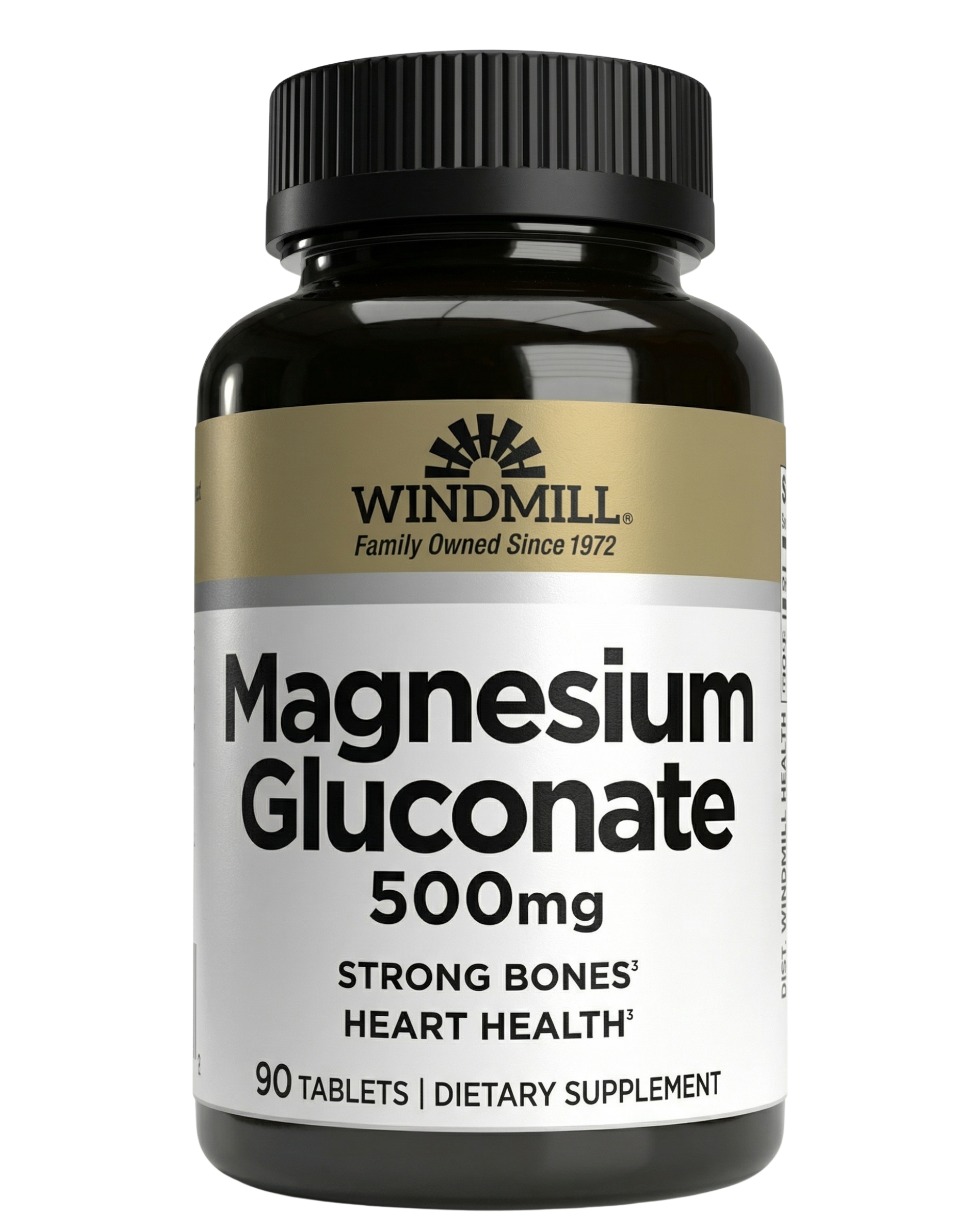
Related Product
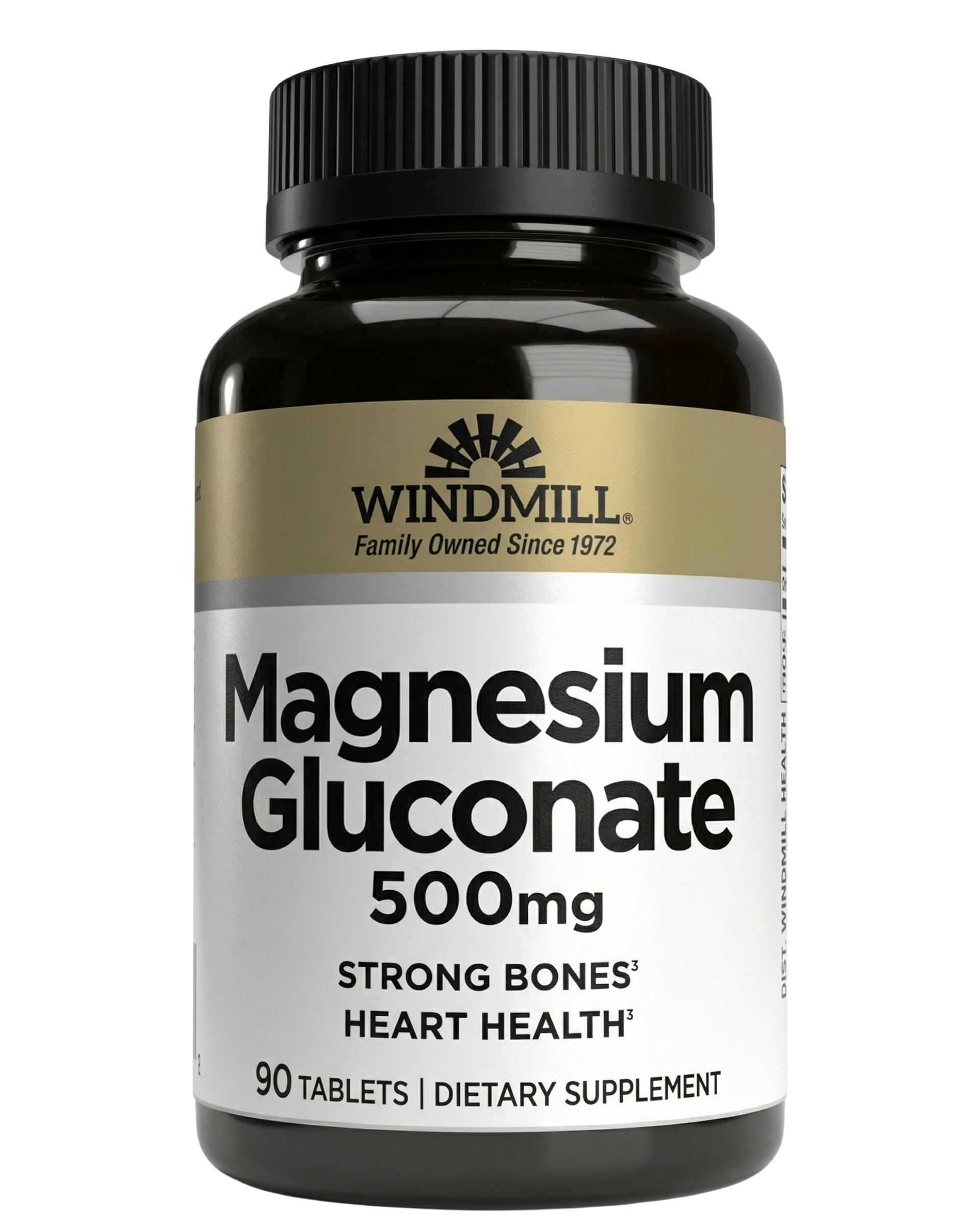
Magnesium Gluconate 500mg Gentle Formula Tablets 90ct
$9.99
Men who already eat diverse whole foods, exercise moderately, spend time outdoors, and have confirmed normal labs have less gap to close. But that profile describes a minority of men over 40 in the real world.
How to Choose Quality Supplements for These Gaps
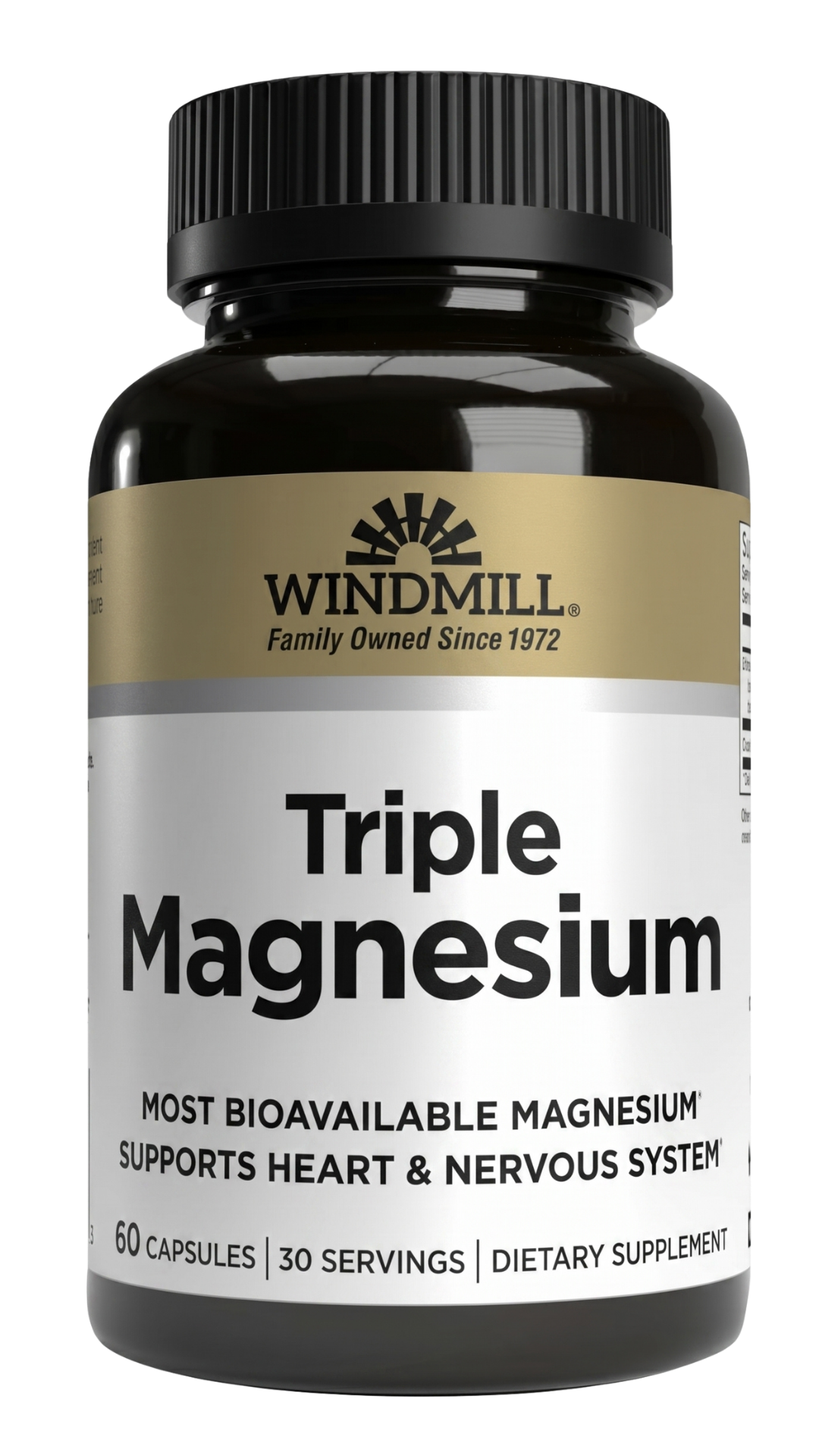
Magnesium: Always choose glycinate or malate forms. Avoid magnesium oxide — it has poor bioavailability and is primarily used as a laxative at higher doses. Look for products that clearly state the elemental magnesium dose, not just the compound weight. A quality dose is 200–400 mg elemental magnesium daily, taken in the evening.
Multivitamins for men over 40: Look for formulations specifically calibrated for men in this age range. A quality men's 50+ multi should include meaningful zinc (8–11 mg), vitamin D at 1,000 IU or above, B12 in methylcobalamin form (absorption of standard cyanocobalamin declines with age), and should omit or minimize iron — adult men rarely need supplemental iron and excess is associated with oxidative stress.
Prostate support: Look for formulas featuring saw palmetto, which has the strongest research base for prostate comfort, combined with zinc and lycopene. Avoid proprietary blends that hide individual ingredient doses.
Quality markers across the board: GMP certification, third-party testing, clear labeling of elemental doses, and a company with verifiable manufacturing standards. Cheap, heavily marketed products in these categories almost universally cut corners on form — using oxide instead of glycinate, cyanocobalamin instead of methylcobalamin, or ultra-low doses that create the appearance of coverage without the function.
Frequently Asked Questions
Q: Can't I just get these nutrients from food instead of supplements?
Never run out.
Subscribe to any product and save 10% on every order. Pause or cancel anytime.
Subscribe & Save 10%A: Food-first is always the right philosophy, but over-40 physiology makes the math harder. Declining stomach acid reduces zinc and B12 absorption from food significantly. Magnesium content in produce has dropped 20–30% over the past 50 years due to soil depletion. And no food produces vitamin D — sunlight does, and most men aren't getting enough. Targeted supplementation fills documented gaps; it doesn't replace a good diet.
Q: How long does it take to notice a difference when correcting these deficiencies?
A: Magnesium effects on sleep quality often appear within 2–3 weeks. Zinc and vitamin D changes in energy and mood typically take 6–12 weeks to register subjectively, though blood levels can shift faster. The mistake most men make is quitting after two weeks because they "don't feel different yet."
Q: Is it safe to take all three of these at once?
A: Yes, and they're often synergistic. Magnesium and vitamin D particularly work together — magnesium is required to convert vitamin D into its active hormonal form. Without adequate magnesium, supplementing vitamin D has diminished returns. A quality men's multivitamin plus a dedicated magnesium glycinate supplement covers most of the ground efficiently.
Explore Men's Health Supplements at Moore Vitamins
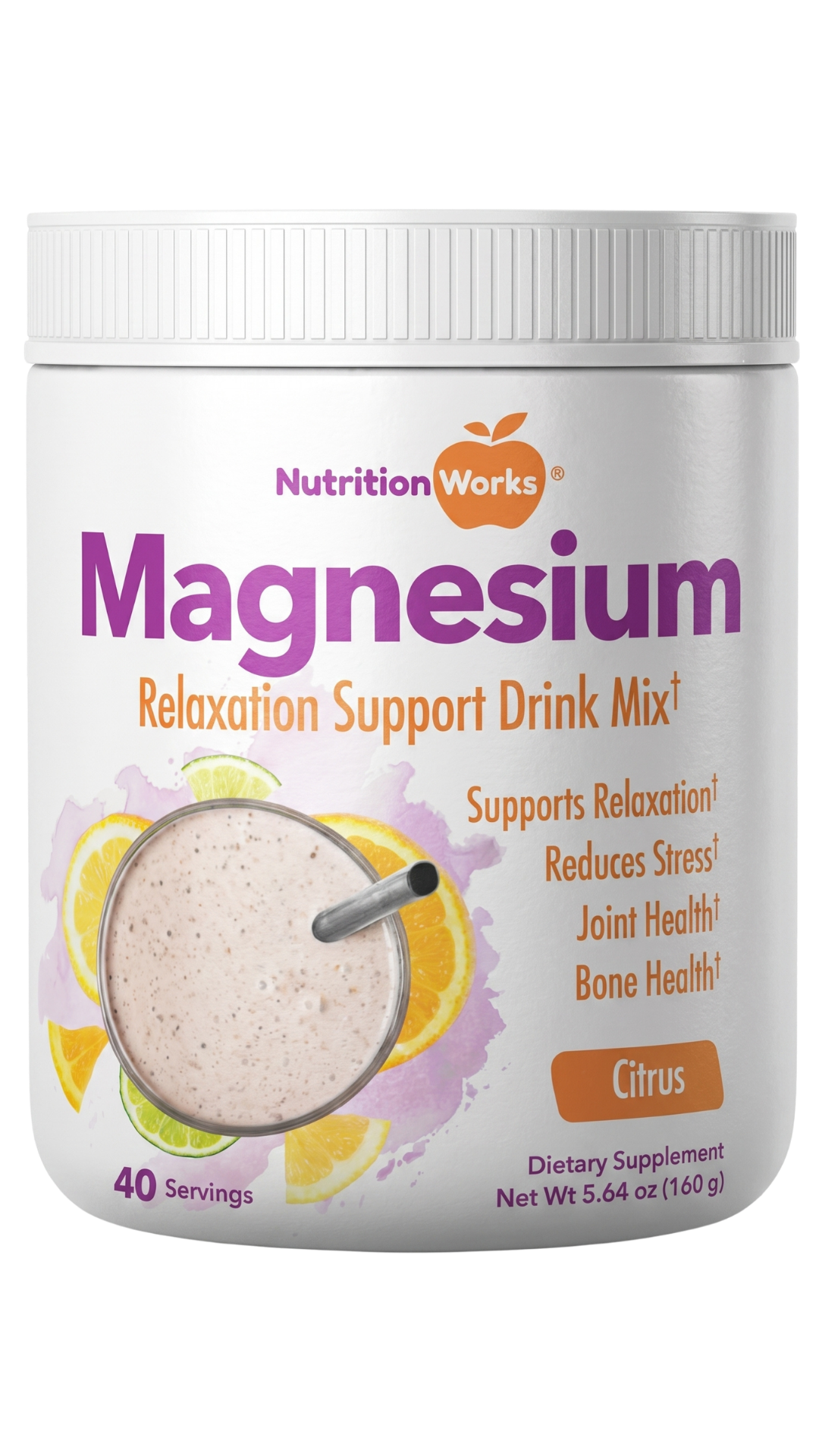
For the magnesium gap — especially if sleep disruption and muscle recovery are your primary concerns — Nature Made Magnesium Glycinate High Absorption Gummies 40ct delivers the right form in a highly absorbable format, without the digestive side effects of cheaper magnesium forms.
For a multivitamin calibrated specifically to men over 50 — with the zinc, D, and B-vitamin profile that aging absorption actually requires — Windmill Daily One Men's 50+ Multivitamin Tablets 90ct is built around the nutrient gaps this article describes, not around what looked good on a 1990s label.
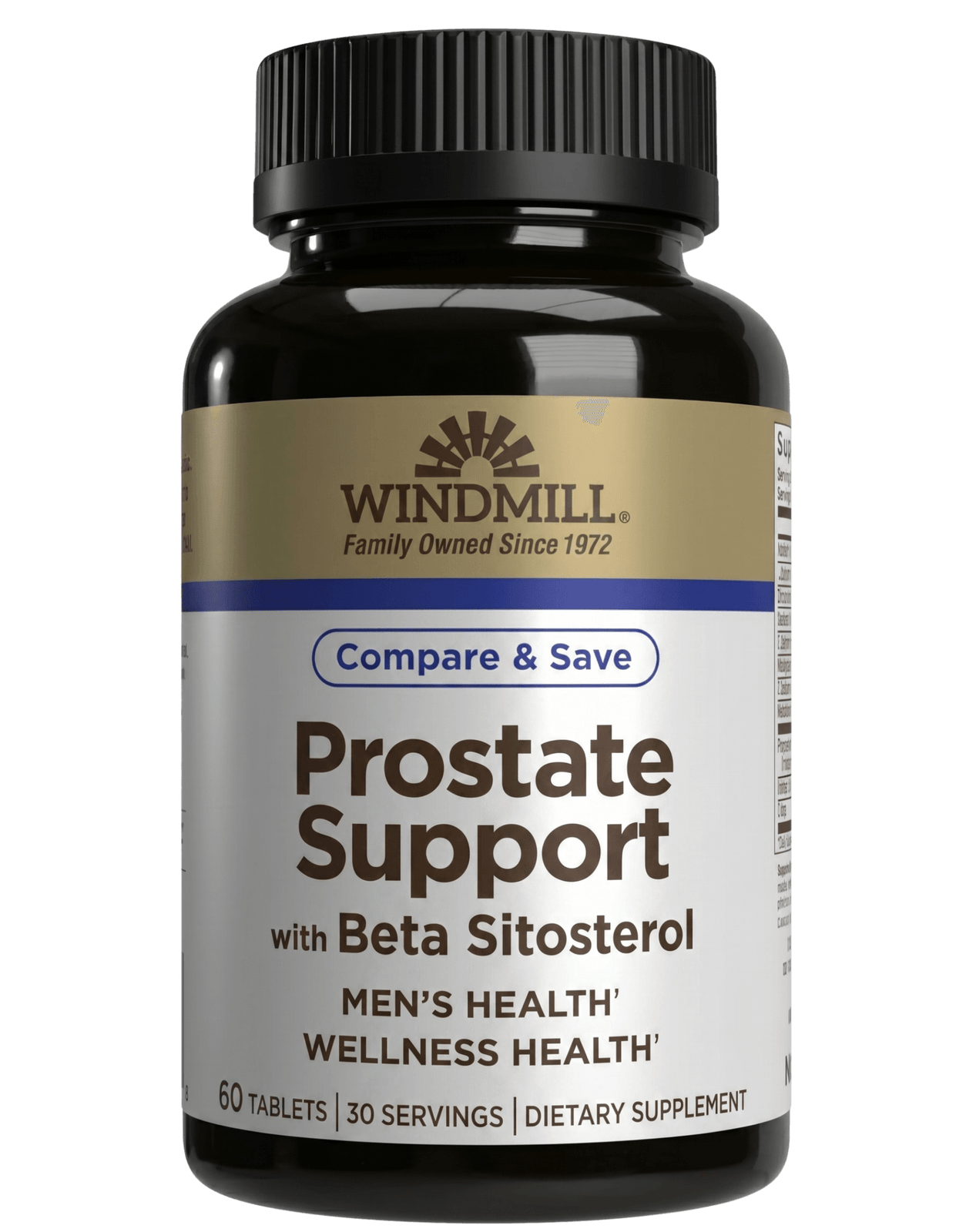
For prostate and zinc-specific support, Windmill Prostate Support Formula Men's Health Tablets 60ct combines the key nutrients that over-40 prostate health research keeps returning to.
All products at Moore Vitamins are sourced from GMP-certified manufacturers and ship same day — so the gap between reading this and actually closing your deficits is as short as it can be.
Never miss a dose.
Evidence-based wellness guides like this one, in your inbox. No hype, no spam — unsubscribe anytime.