Vitamin C & Immune Support: Top Questions Answered
Most people reaching for vitamin C at the first sign of a cold are doing something reasonable — but the research behind it is more nuanced than the label suggests. Vitamin C is essential to immune function: it stimulates the production and activity of white blood cells, acts as an antioxidant to protect those cells from oxidative damage, and supports the skin barrier that keeps pathogens out in the first place. The NIH Office of Dietary Supplements sets the adult Recommended Dietary Allowance at 75–90 mg per day, with a tolerable upper limit of 2,000 mg. A large Cochrane review found that regular supplementation reduces cold duration by about 8% in adults — modest, but real. The people who see the biggest benefit are those under heavy physical stress, like endurance athletes, and anyone with a low dietary intake. Read on to get a clear, evidence-based answer to every question Google sends people here.
Frequently Asked Questions About Vitamin C and Immune Support
Does taking vitamin C help the immune system?
Yes — with realistic expectations. Vitamin C plays several direct roles in immunity: it supports white blood cell production, protects immune cells from free-radical damage, and helps maintain the skin and mucosal barriers that block infection. Regular supplementation at 200–1,000 mg per day is associated with slightly shorter colds in most adults and meaningfully shorter colds in people under physical stress. It won't prevent you from catching a virus, and mega-doses above 1,000 mg offer no additional immune benefit over more moderate amounts. For a broader look at what the research actually supports, see our evidence-based guide to immune system supplements.
What happens when you start taking vitamin C every day?
If your diet is already vitamin C–rich, you'll notice little change — your body excretes what it doesn't need. If your levels are low, you may notice slightly faster wound healing, better skin texture, and less fatigue within a few weeks as tissue stores replenish. Because vitamin C is water-soluble, your body keeps only what it can use and flushes the rest, so consistency matters more than single large doses. Splitting your daily dose across two meals improves absorption significantly compared to taking it all at once. Our water-soluble vitamins timing guide explains exactly why that is and what to do about it.
How long does it take vitamin C to boost the immune system?
There is no single timeline. Plasma vitamin C levels rise within hours of supplementation. Full tissue saturation — the point at which your immune cells have adequate stores — takes roughly two to four weeks of consistent daily intake. Taking a large dose the moment you feel a cold coming on may shorten symptom duration slightly (evidence here is mixed), but it won't replicate the benefit of having maintained adequate levels all along. The practical takeaway: daily low-to-moderate doses work better than sporadic high doses. If you're also sorting out when to take your supplements, our supplement timing cheat sheet covers vitamin C alongside everything else.
What are signs of vitamin C deficiency?
The clearest early signs are fatigue, irritability, and rough or bumpy skin (a condition called keratosis pilaris-like follicular hyperkeratosis). As deficiency deepens over weeks to months without adequate intake, hallmark symptoms emerge: swollen or bleeding gums, slow-healing wounds, easy bruising, and joint pain. Severe, prolonged deficiency causes scurvy — now rare in developed countries but still seen in people with very restricted diets, heavy alcohol use, or malabsorption conditions. Peer-reviewed research on vitamin C deficiency signs documents how quickly tissue stores deplete when intake drops below 10 mg per day. If several of these symptoms apply to you, a blood test from your doctor is the right first step.
When should you not take vitamin C?
Most healthy adults tolerate vitamin C well, but a few groups need caution. People with a history of kidney stones — particularly calcium oxalate stones — should stay well under the 2,000 mg upper limit, since high-dose vitamin C increases urinary oxalate. People with hemochromatosis (iron overload disorder) should be careful because vitamin C enhances iron absorption and can worsen iron accumulation. Those on certain chemotherapy regimens should check with their oncologist before supplementing, since antioxidants may interfere with some treatments. Doses above 1,000 mg may also affect the reliability of some blood glucose test strips. Always confirm with your doctor or pharmacist if you have a chronic condition or take prescription medications.
What are the first signs of too much vitamin C?
Gastrointestinal symptoms appear first: nausea, stomach cramps, diarrhea, and a general unsettled feeling in the gut. These typically kick in at doses above 1,000–2,000 mg taken at one time, especially on an empty stomach. Because vitamin C is water-soluble, true toxicity is rare — your kidneys excrete the excess. That said, consistently exceeding 2,000 mg per day raises the risk of kidney stone formation over time and can cause rebound scurvy if you suddenly stop very high doses. Reducing your dose or splitting it across meals usually resolves GI symptoms quickly. If symptoms are severe or persistent, stop supplementing and consult a healthcare provider.
What should you never mix with vitamin C?
Related Product
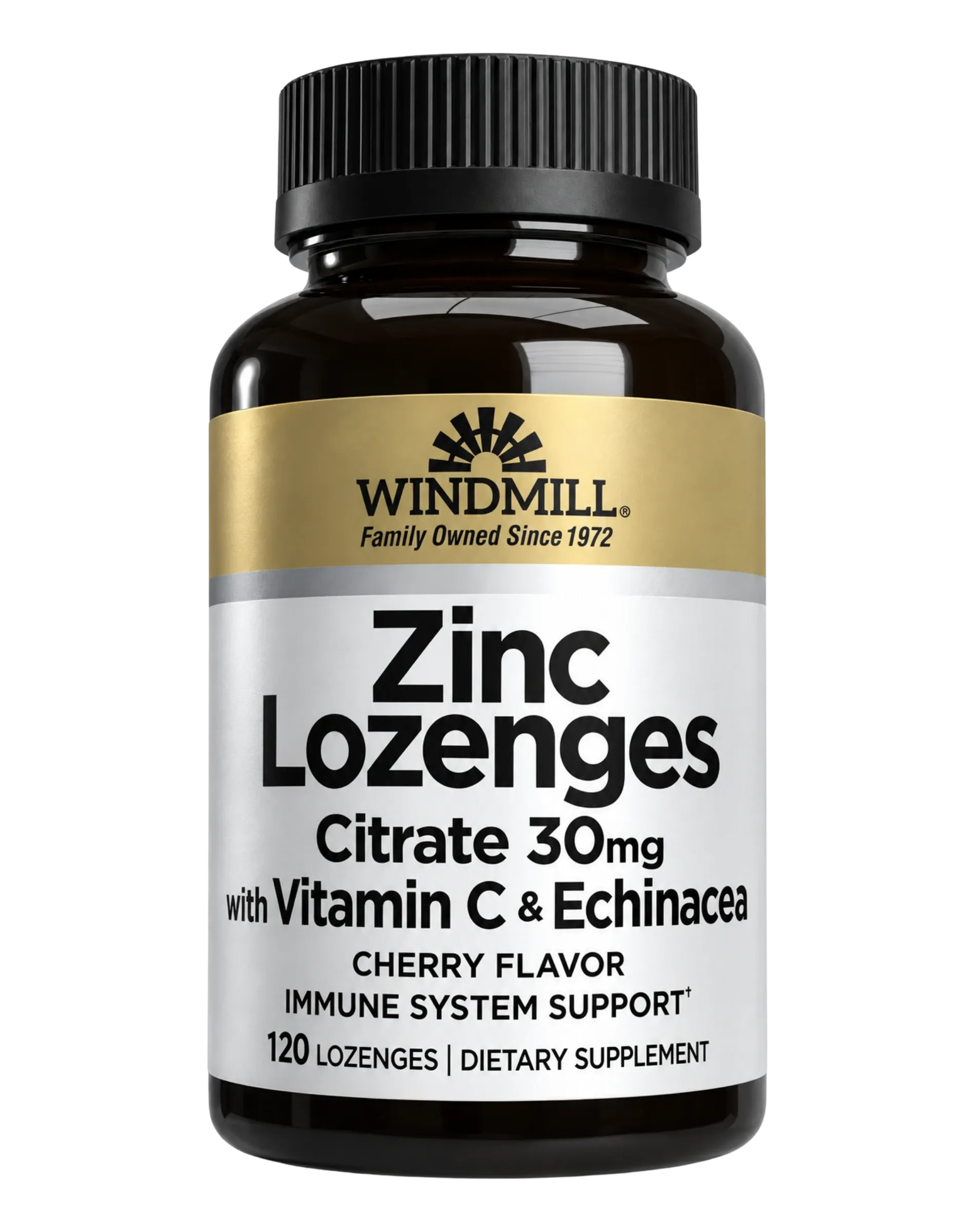
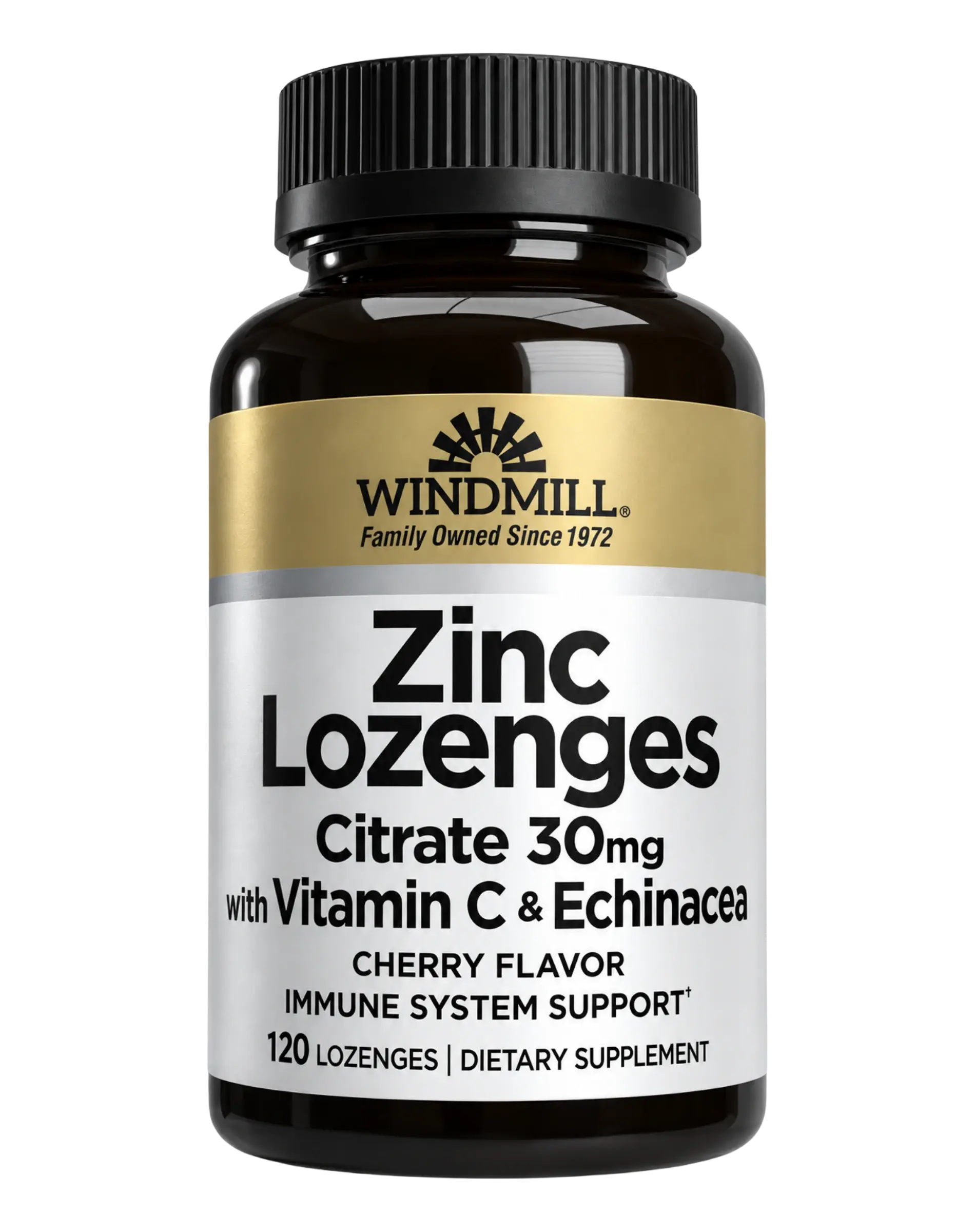
Windmill Zinc Citrate with Vitamin C & Echinacea Cherry Lozenges 120ct
$11.99
"Never" is a strong word — interactions are dose-dependent and individual. The most clinically significant: estrogen-containing contraceptives and hormone replacement therapy, where high-dose vitamin C may temporarily raise estrogen levels. Blood thinners like warfarin can be affected, since vitamin C at high doses may reduce anticoagulant effectiveness — regular INR monitoring is essential. Aluminum-containing antacids (common in heartburn products) absorb faster in the presence of vitamin C, which can increase aluminum exposure. Some statins and niacin combinations may have reduced efficacy with high antioxidant intake, though evidence here is limited. At typical dietary or moderate supplemental doses (under 500 mg), most of these interactions are minimal. Always run your supplement list by your pharmacist if you take any prescription medication.
What to Look For When Buying
Form: Ascorbic acid is the most studied form and works well for most people. Buffered forms (sodium ascorbate, calcium ascorbate) are gentler on the stomach at higher doses. Liposomal vitamin C claims superior absorption, but evidence over standard ascorbic acid at equal doses is not yet conclusive.
Dose range: 200–500 mg per day covers most adults' needs on top of a reasonably varied diet. Up to 1,000 mg is reasonable for those with higher needs or low dietary intake. Doses above 1,000 mg offer diminishing immune returns and increasing GI risk.
Added ingredients: Rose hips provide natural bioflavonoids that may support absorption. Zinc is a logical co-ingredient for immune support — both nutrients work on overlapping pathways. Watch for added sugars in gummy formats if you're taking them daily.
Quality signals: Look for GMP (Good Manufacturing Practice) certification on the label. Third-party tested products — verified by NSF, USP, or Informed Sport — give you confidence that the stated dose is accurate and the product is free of contaminants.
What to avoid: Proprietary blends that hide individual ingredient amounts, inflated "immune blend" doses with no evidence basis, and products with artificial dyes or unnecessary fillers.

Subscribe & Save
Never run out.
Subscribe to any product and save 10% on every order. Pause or cancel anytime.
Subscribe & Save 10%The Bottom Line
Vitamin C genuinely supports immune function — the evidence is solid at moderate daily doses. Mega-dosing above 1,000 mg adds cost and GI risk without meaningfully more benefit for most people. Consistent daily intake beats sporadic high doses every time.
Where to Find Quality Vitamin C Supplements
Moore Vitamins carries a GMP-certified selection of vitamin C options to match different preferences and routines — with same-day fulfillment and Subscribe & Save pricing for everyday use.
- Windmill Vitamin C 500mg with Rose Hips Immune Support Tablets 100ct — A straightforward 500 mg tablet with bioflavonoids from rose hips, ideal for consistent daily use.
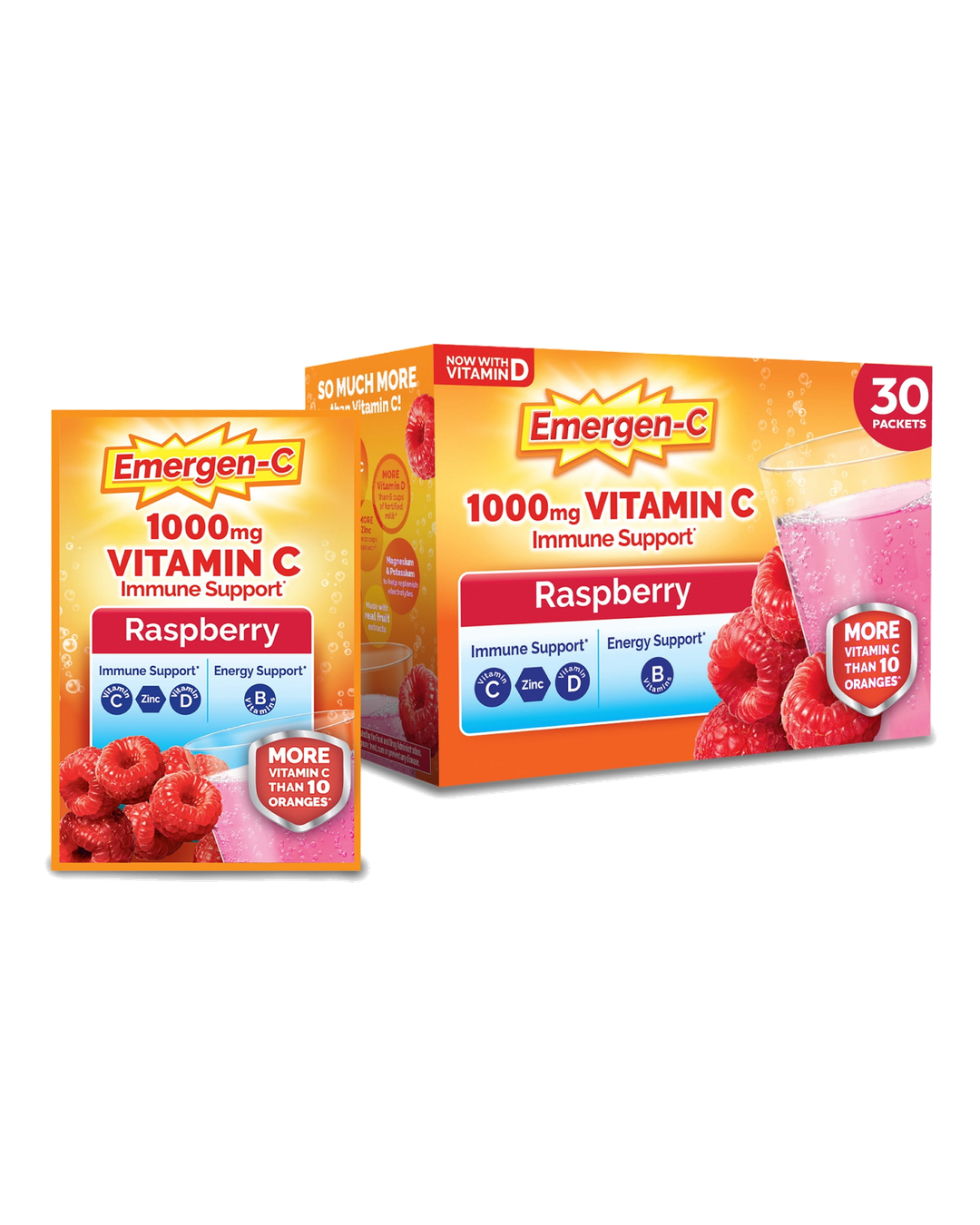
- Emergen-C Raspberry 1000mg Vitamin C Drink Mix Packets 30ct — A convenient on-the-go drink mix for days when you want a higher dose with B vitamins included.
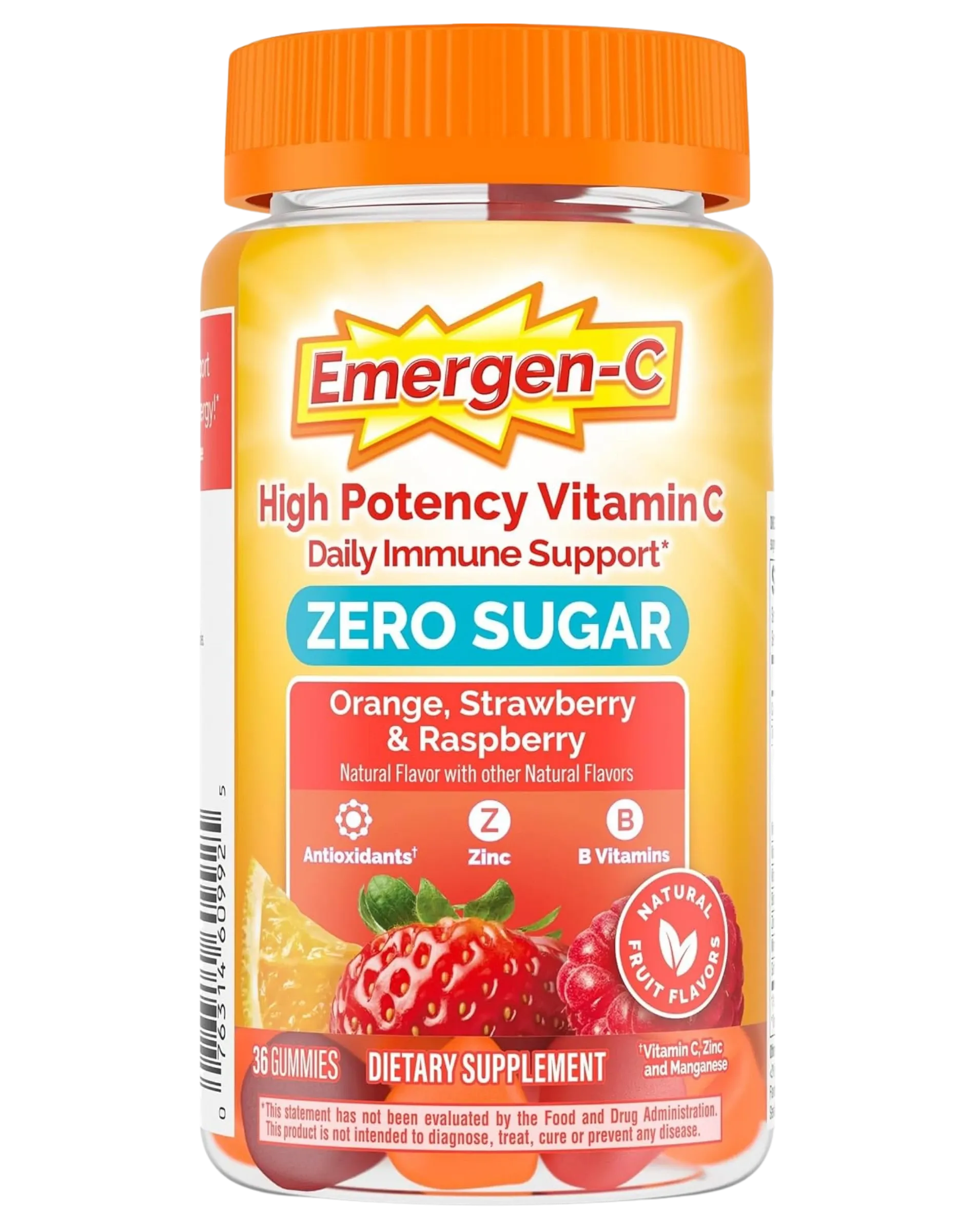
- Emergen-C Zero Sugar Vitamin C Gummies Orange, Strawberry & Raspberry 36ct — A no-added-sugar gummy option, easy to take and great for those who skip traditional tablets. (Also a solid pick for kids — see our vitamin C for kids guide for age-appropriate doses.)
- Windmill Zinc & Vitamin C Citrus Immune Support Lozenges 60ct — Pairs vitamin C with zinc for dual immune-pathway support in a convenient lozenge format.
Never miss a dose.
Evidence-based wellness guides like this one, in your inbox. No hype, no spam — unsubscribe anytime.