Magnesium: Your Top Questions, Answered
Nearly half of American adults don't get enough magnesium from food — and most have no idea. Magnesium is a cofactor in over 300 enzymatic reactions, including protein synthesis, blood glucose regulation, and nerve signal transmission. The NIH Office of Dietary Supplements sets the Recommended Dietary Allowance at 310–420 mg per day depending on age and sex, yet average intake from food falls well short of that for most adults. Deficiency rarely announces itself with obvious symptoms early on — it tends to surface as muscle cramps, poor sleep, low energy, and elevated stress. People who are most at risk include adults over 40, those with type 2 diabetes, people with GI conditions that impair absorption, and anyone eating a heavily processed diet. If you finish reading this page, you'll know exactly what to watch for, when to supplement, and which forms are worth your money.
Frequently Asked Questions About Magnesium
What are the benefits of taking magnesium supplements?
Magnesium supplementation is most strongly associated with improved sleep quality, reduced muscle cramps, lower anxiety, and better blood pressure regulation in people who are deficient. Peer-reviewed research on magnesium supplementation shows consistent benefits for sleep latency and muscle function, with moderate evidence for mood support and metabolic health. Benefits are most pronounced when someone starts below the RDA; topping up an already sufficient level produces smaller gains. Doses in studies typically range from 200–400 mg of elemental magnesium daily. Form matters too — glycinate and citrate absorb significantly better than oxide. Our full breakdown of forms and what the evidence actually supports is in the Magnesium Supplements Guide 2026.
What are the 7 signs your body needs magnesium?
The most commonly reported signs of low magnesium are: muscle cramps or twitches, poor sleep or frequent waking, fatigue, low mood or heightened anxiety, headaches, constipation, and irregular heartbeat (palpitations). None of these are exclusive to magnesium deficiency — they overlap with dozens of conditions — so treat them as a prompt to check your intake, not a diagnosis. Serum magnesium blood tests can miss true deficiency because only about 1% of the body's magnesium circulates in blood; most is stored in bone and soft tissue. If several of those signs apply to you simultaneously, it's worth tracking your dietary intake and discussing supplementation with your doctor. For women over 40, low magnesium is especially common and often goes unaddressed — the Magnesium Gap: Why Women Over 40 Are the Most Deficient covers the specifics.
Is it good to take magnesium every day?
Yes, daily supplementation is appropriate for most adults who don't consistently reach the RDA through diet alone. Magnesium is water-soluble enough that excess is excreted through urine in healthy people, making daily use at standard doses (200–400 mg elemental) low-risk. Unlike fat-soluble vitamins, it does not accumulate to toxic levels under normal conditions. Consistent daily intake produces better results than sporadic use because the body cannot store large reserves. The main caveats are kidney disease (see below) and GI sensitivity at higher doses. If you're unsure what dose is right for your body weight and health goals, the Magnesium Dosage Guide and our post on why your supplement dose might be wrong for your size are the best starting points.
Who should not be taking magnesium?
People with chronic kidney disease should not supplement magnesium without medical supervision — impaired kidneys cannot clear excess magnesium efficiently, and toxicity is a real risk. Beyond kidney disease, certain medications interact with magnesium: it can reduce absorption of some antibiotics (fluoroquinolones, tetracyclines), interfere with bisphosphonates used for bone density, and affect how some diabetes and blood pressure medications work. People taking diuretics or proton pump inhibitors (PPIs) may actually need more magnesium, since both drug classes deplete it — but a clinician should guide dosing in those cases. If you take any prescription medications, check with your doctor or pharmacist before adding magnesium. Our post on supplements that interfere with prescription medications covers this topic in detail.
What organ is most affected by magnesium?
The heart is the organ most critically affected by magnesium status. Magnesium regulates electrical conduction in cardiac muscle; low levels are associated with arrhythmias, elevated blood pressure, and increased cardiovascular risk in observational data. The nervous system is a close second — magnesium acts as a natural calcium channel blocker, calming nerve excitability, which is why deficiency is linked to anxiety, migraines, and muscle hyperactivity. The kidneys are also central to the story: they are the primary site of magnesium regulation, filtering and reabsorbing it continuously. Research on magnesium and cardiovascular health spans decades and is among the stronger bodies of evidence for any dietary mineral.
What drink is high in magnesium?
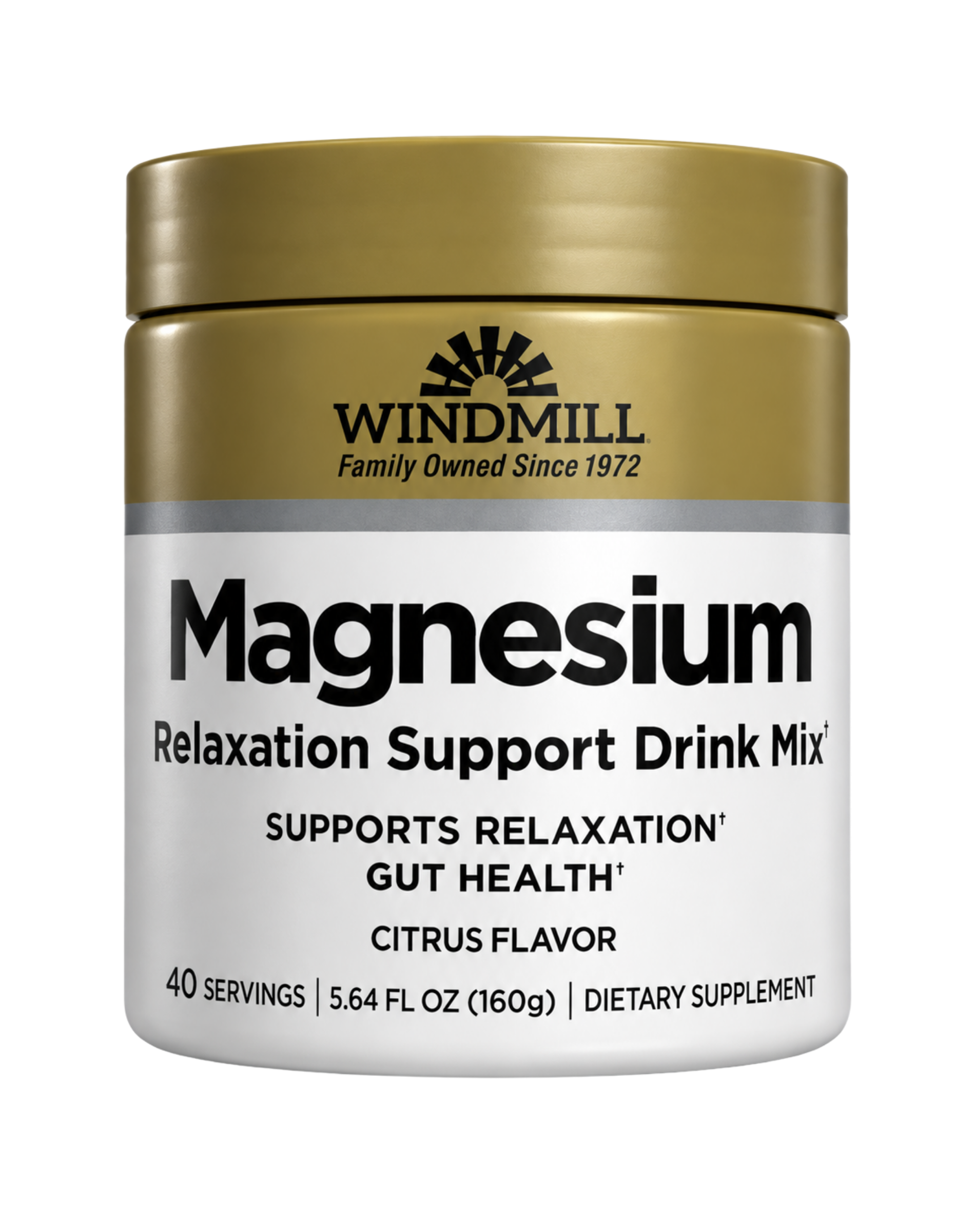
Mineral water is the standout — some sparkling mineral waters contain 50–120 mg of magnesium per liter, making them a meaningful dietary source. Coconut water provides roughly 60 mg per cup. Among juices, tomato juice and certain green vegetable juices offer modest amounts. Coffee and black tea contain small amounts, though they can also increase urinary magnesium excretion at high intake. Cow's milk provides about 25–30 mg per cup. For people who want a convenient supplement-based drink option, the Windmill Magnesium Relaxation Support Drink Mix delivers a measured dose in a format that's easy to fold into an evening routine. No drink replaces a varied whole-food diet as the foundation, but targeted drinks can help fill gaps.
What is the best time of day to take magnesium?
Related Product
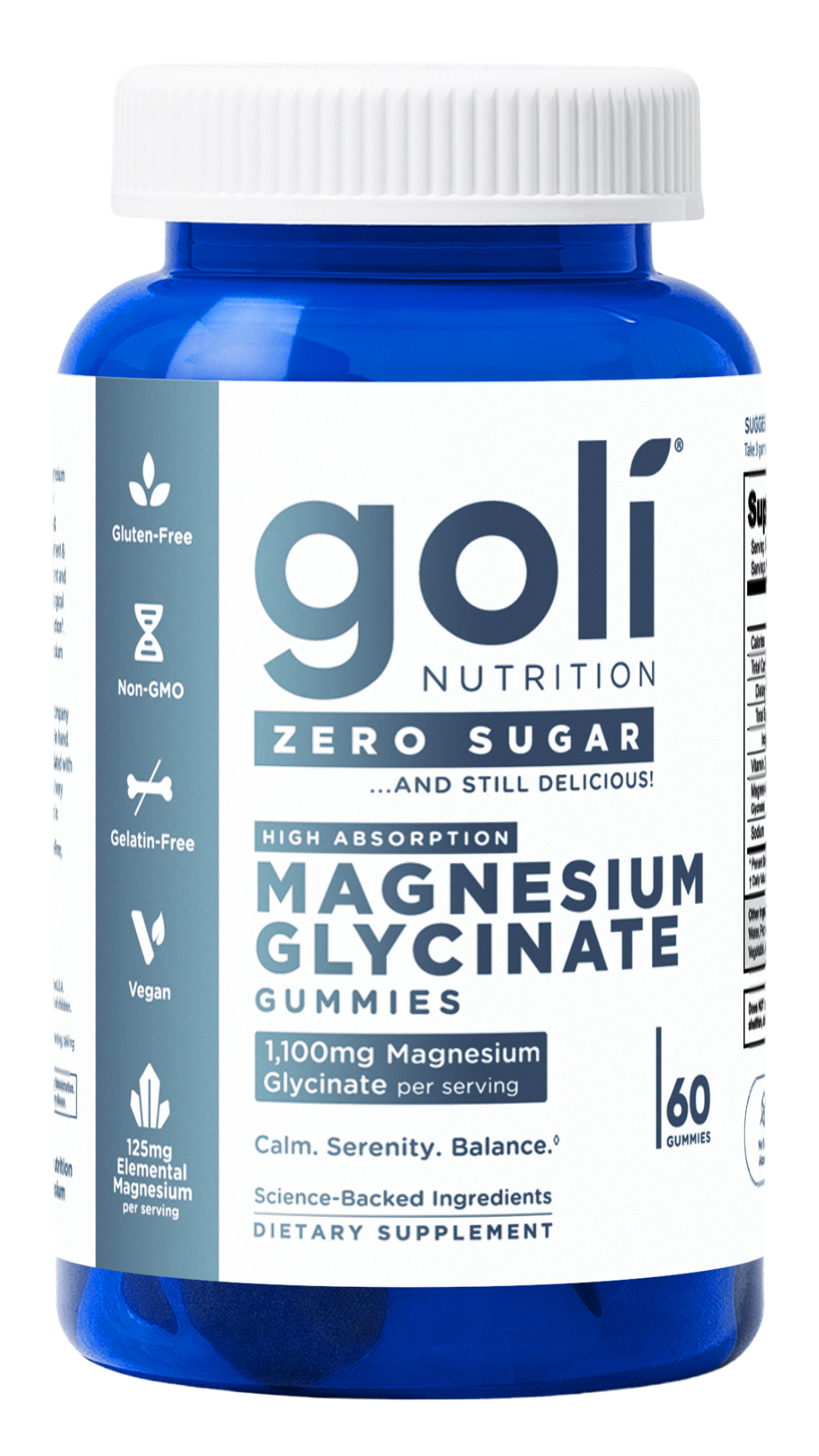
Goli Zero Sugar Magnesium Gummies 60ct
$17.98
Evening — typically 30–60 minutes before bed — is the most practical and evidence-informed timing for most people. Magnesium's calming effect on the nervous system and its association with improved sleep quality make nighttime use a natural fit. Taking it with food reduces the risk of GI discomfort, which is the most common side effect at higher doses. If you're using magnesium primarily for muscle recovery or exercise performance, post-workout timing also makes sense. Morning use isn't wrong, but it foregoes the potential sleep benefit. For a deeper look at why timing matters and which other supplements benefit from nighttime dosing, see Which Supplements Absorb Better at Night?. If sleep is your primary goal, our VitaDrops Melatonin & Magnesium Gummies pair both nutrients in one evening serving.
What to Look For When Buying
Form is the most important variable. Magnesium oxide is common and cheap, but absorbs poorly — studies suggest as little as 4% bioavailability. Magnesium citrate and glycinate absorb significantly better (roughly 25–50% and higher, respectively) and are gentler on digestion. Glycinate is the top pick for sleep and anxiety support; citrate is effective and often less expensive. Malate and threonate are worth considering for energy and cognitive applications.
Dose: check the elemental magnesium number, not the compound weight. A label that says "500 mg magnesium citrate" delivers far less than 500 mg of actual magnesium — look for the elemental amount, usually listed separately. Aim for 200–400 mg elemental magnesium daily from supplements, depending on how much you get from food.
Quality signals to look for:
- GMP (Good Manufacturing Practice) certification on the label or manufacturer's site
- Third-party tested (USP, NSF, or Informed Sport)
- No unnecessary fillers, artificial colors, or proprietary blends that hide individual doses
Gummies and drink mixes offer convenience and can improve adherence, especially for evening routines. Just confirm the elemental dose is stated clearly.

Subscribe & Save
Never run out.
Subscribe to any product and save 10% on every order. Pause or cancel anytime.
Subscribe & Save 10%The Bottom Line
Magnesium is one of the few supplements where widespread, genuine deficiency exists in the general population — and where supplementing at sensible doses has solid evidence behind it. Evening dosing, absorbable forms (citrate or glycinate), and consistency matter more than brand. Anyone with kidney disease or a complex medication list should clear it with a clinician first.
Where to Find Quality Magnesium Supplements
Moore Vitamins carries a GMP-certified magnesium range with same-day fulfillment and a Subscribe & Save option so you never run out mid-bottle.
- Windmill Magnesium Citrate 400mg Tablets 60ct — a well-absorbed, straightforward daily option
- Windmill Triple Magnesium Complex Capsules 60ct — combines three forms for broader coverage
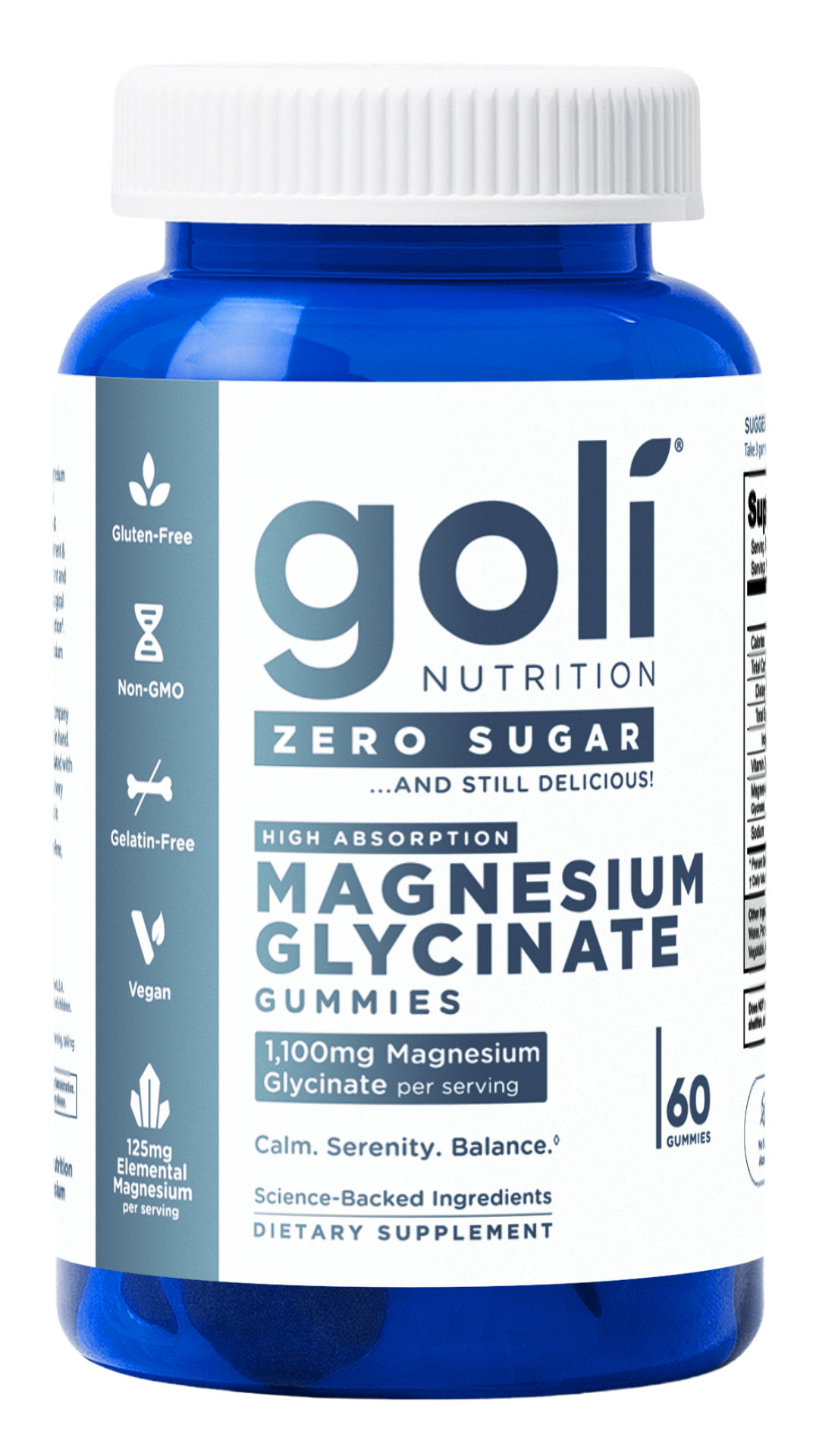
- Goli Zero Sugar Magnesium Gummies 60ct — convenient, sugar-free, great for people who skip pills
- VitaDrops Melatonin & Magnesium Gummies 60ct — pairs magnesium with melatonin for a targeted evening sleep routine
- Windmill Magnesium Relaxation Support Drink Mix — drinkable evening format with a calming magnesium dose
Never miss a dose.
Evidence-based wellness guides like this one, in your inbox. No hype, no spam — unsubscribe anytime.