Probiotics & Gut Health: Top Questions Answered
Most people taking a daily probiotic can't say with certainty whether it's actually doing anything — and that gap between routine and understanding is exactly what this article closes. Clinical research, including a 2022 umbrella review of over 400 randomized trials, confirms that specific probiotic strains measurably improve outcomes for diarrhea, IBS, and antibiotic-related gut disruption. The evidence for broader benefits — bloating, immunity, mood — is real but strain-specific and more modest. Healthy adults typically notice digestive changes within two to four weeks; people recovering from antibiotics or illness may see faster shifts. This overview matters most if you're choosing a probiotic for the first time, questioning whether your current one is working, or trying to understand what your gut symptoms are telling you. Read on and you'll have answers you can act on today.
Frequently Asked Questions About Probiotics and Gut Health
Do probiotics improve your gut health?
Yes, for specific conditions the evidence is strong. Peer-reviewed research on probiotics and gut health consistently shows benefit for antibiotic-associated diarrhea, C. difficile infection risk, and IBS symptoms. For general "gut maintenance" in already-healthy adults, the evidence is more mixed — some people experience less bloating and more regularity; others see little change. Results depend heavily on the specific strain (e.g., Lactobacillus rhamnosus GG for diarrhea vs. Bifidobacterium longum for IBS), the dose in CFUs, and whether the product survives stomach acid to reach the colon. The NIH Office of Dietary Supplements probiotic fact sheet is the clearest summary of where the science stands.
What is the best probiotic for your gut health?
There is no single "best" — the right probiotic depends on what you're trying to address. Lactobacillus and Bifidobacterium species are the most studied for digestive health overall. For IBS, multi-strain formulas with Bifidobacterium infantis or L. plantarum show the most consistent trial results. For antibiotic recovery, L. rhamnosus GG and Saccharomyces boulardii are the best-supported choices. Dose matters too: most clinical trials use between 1 billion and 10 billion CFU daily. Our Gut Health Supplements Guide 2026 breaks down strain-by-strain evidence so you can match a product to your specific goal rather than guessing at the shelf.
What are signs you need a probiotic?
No symptom definitively means you need a probiotic, but several patterns suggest your microbiome may be disrupted. The most common signals include frequent loose stools or diarrhea, bloating after routine meals, cramping without a clear dietary cause, and recurring yeast infections or urinary tract infections in women. A recent course of antibiotics is the clearest clinical reason to consider a probiotic — antibiotics wipe out beneficial bacteria alongside harmful ones, and research supports replenishing with a targeted strain during and after treatment. Persistent fatigue and skin flare-ups (eczema, acne) are sometimes linked to gut imbalance, though the evidence connecting them to probiotic supplementation specifically is still emerging.
What are the 7 signs of an unhealthy gut?
Research and clinical practice point to these seven recurring indicators of gut imbalance:
- Chronic bloating or gas — especially after foods you previously tolerated well
- Irregular bowel movements — constipation, diarrhea, or both alternating (common in IBS)
- Frequent heartburn or reflux — gut dysbiosis may affect the lower esophageal sphincter
- Unintentional weight changes — the gut microbiome influences how calories are absorbed
- Food intolerances that worsen over time — often linked to altered gut permeability
- Disrupted sleep or persistent fatigue — the gut produces roughly 90% of the body's serotonin, directly affecting sleep and energy; our article on the gut-brain axis explains this connection in depth
- Frequent skin irritation — eczema and psoriasis flares have documented associations with microbiome disruption
None of these alone diagnoses a gut problem. Persistent symptoms warrant a conversation with your doctor.
What happens if you take probiotics every day?
For most healthy adults, daily probiotic use is safe and well-tolerated long-term. In the first one to two weeks, mild gas or bloating is common as the microbiome adjusts — this typically resolves on its own. After consistent use, many people report more predictable digestion, fewer episodes of antibiotic-related diarrhea, and improved stool consistency. Probiotics do not appear to permanently colonize the gut in most people; benefits tend to continue only while supplementing, which is why consistency matters. For a realistic picture of the timeline, see our full post on how long it takes for probiotics to work. People who are immunocompromised or critically ill should consult a physician before starting daily probiotic use, as rare cases of infection have been reported in these populations.
Why do cardiologists warn against probiotics?
This framing is largely a myth amplified by clickbait headlines — mainstream cardiology organizations have not issued broad warnings against probiotic use. The concern in circulation typically stems from a small number of case reports involving immunocompromised or critically ill patients where probiotic bacteria entered the bloodstream. For healthy adults, peer-reviewed research on probiotic safety shows a strong safety profile. Some studies have explored whether certain probiotics affect cholesterol or blood pressure, with modest and inconsistent results — not a basis for a warning. If you have a specific heart condition or take cardiac medications, ask your cardiologist or pharmacist about interactions, but the premise that cardiologists broadly warn against probiotics does not reflect current clinical guidance.

Related Product
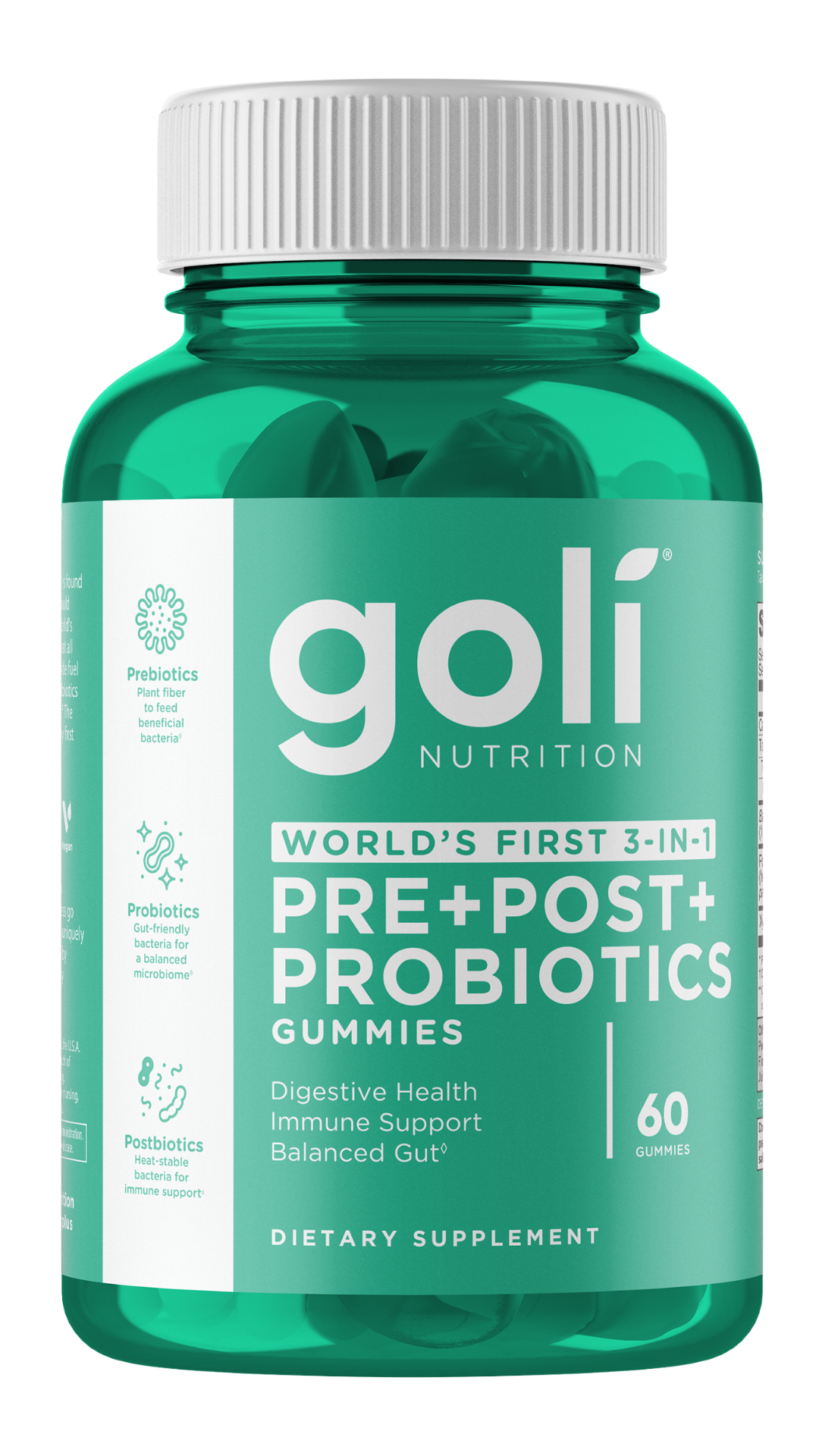
Goli Pre+Post+Probiotics Gummies 60ct
$14.98
What drink heals your gut?
No single drink "heals" the gut — that claim exceeds what the evidence supports. However, certain drinks are associated with measurable microbiome benefits. Kefir, a fermented milk drink, contains multiple live probiotic strains and is one of the most studied; research links regular kefir consumption to improved lactose tolerance and reduced IBS symptoms. Kombucha contains live cultures and organic acids but has fewer rigorous trials behind it. Plain water is underrated — dehydration directly impairs gut motility and the mucosal lining. Bone broth contains gelatin and collagen precursors that some studies associate with supporting the gut lining, though human trial evidence is limited. The honest answer: no beverage replaces a varied, fiber-rich diet as the foundation of gut health, and supplements can support — not substitute for — that foundation.
What are 5 foods high in probiotics?
These five deliver live, well-studied probiotic cultures:
- Plain yogurt — look for "live and active cultures" on the label; L. acidophilus and Bifidobacterium are the most common strains
- Kefir — typically higher in CFU count than yogurt and includes yeast-based strains as well
- Sauerkraut — raw, unpasteurized versions only; pasteurization kills live cultures
- Kimchi — fermented vegetables rich in Lactobacillus strains; also a source of fiber and vitamins C and K
- Miso — fermented soybean paste; one tablespoon adds meaningful live cultures to soups and dressings without heavy calorie load
Tempeh and certain aged cheeses (gouda, cheddar, cottage cheese) also contain active cultures. Food sources and supplements work through similar mechanisms — the choice depends on diet, tolerance, and how concentrated a dose you need.
What to Look For When Buying Probiotics
Strain specificity. The label should name the genus, species, and ideally the strain — e.g., Lactobacillus rhamnosus GG, not just "Lactobacillus blend." Strain identity determines what the product can actually do.
CFU count at expiration, not manufacture. CFUs die over time. A label that lists CFUs "at time of manufacture" tells you little about what you're actually swallowing. Look for CFU guarantees through the best-by date.

Subscribe & Save
Never run out.
Subscribe to any product and save 10% on every order. Pause or cancel anytime.
Subscribe & Save 10%Delivery system. Stomach acid kills many probiotic strains before they reach the colon. Enteric-coated capsules or delayed-release technology meaningfully improves survival rate. Refrigerated products often (but not always) indicate a more fragile, potent culture.
Third-party testing and GMP certification. These confirm that what's on the label is in the bottle and that the facility meets manufacturing standards. Neither is legally required for supplements, so their presence is a meaningful quality signal.
Avoid unnecessary fillers. Artificial dyes, high-dose unnecessary additives, and undisclosed proprietary blends are red flags. The formula should be simple and transparent.
Dose range. Most clinical research uses 1–10 billion CFU for general digestive health. Higher doses (up to 50 billion CFU) are sometimes used therapeutically, but more CFUs is not automatically better — strain match matters more.
The Bottom Line
Probiotics have genuine, well-documented benefits for specific digestive conditions — especially antibiotic recovery and IBS — and a strong safety profile in healthy adults. The science is more nuanced than most marketing suggests: strain, dose, and consistency all determine whether a product works for you.
Where to Find Quality Probiotic Supplements
Moore Vitamins carries a GMP-certified probiotic lineup with same-day fulfillment and a Subscribe & Save option so you never miss a dose. A few worth considering based on your needs:
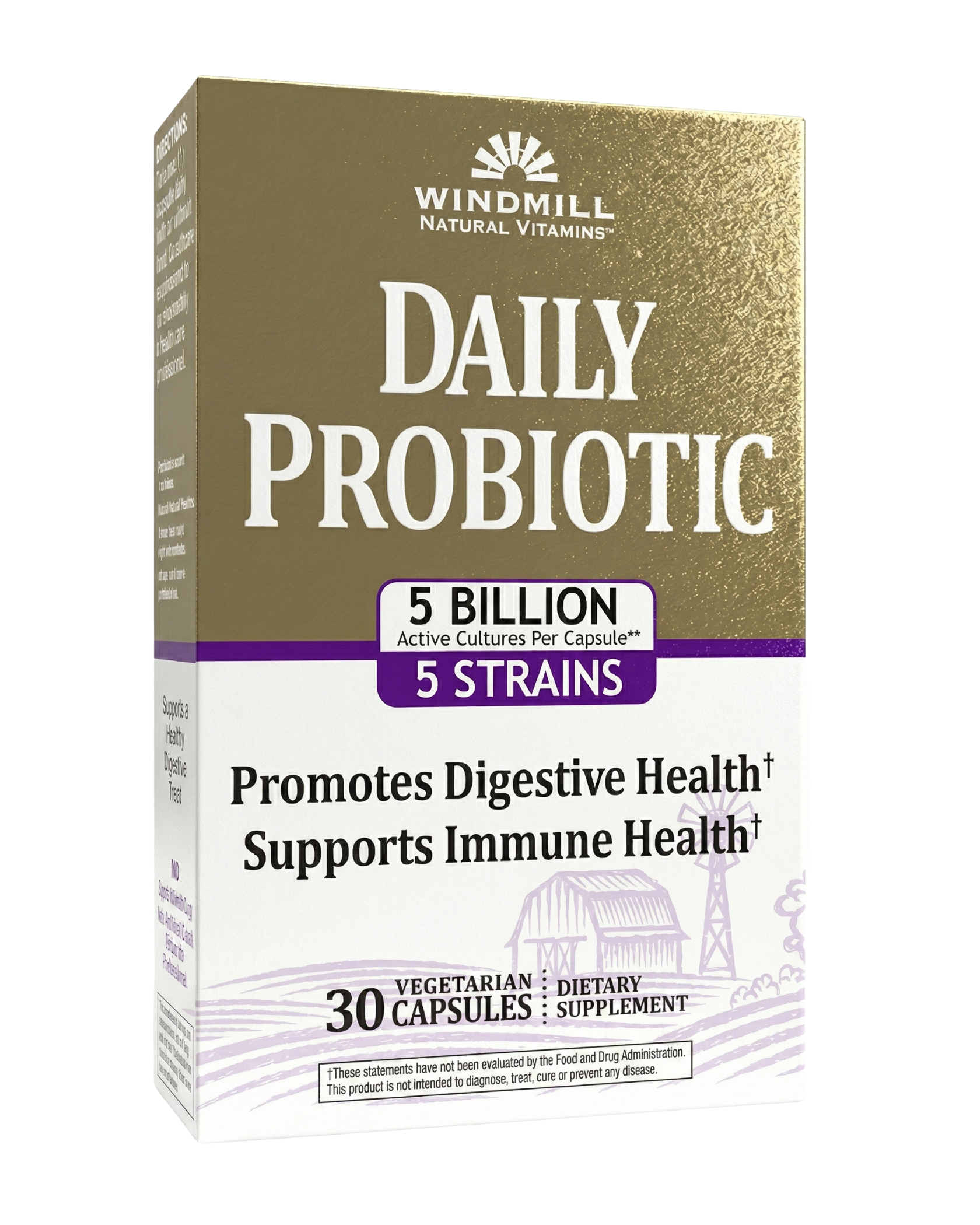
- Everyday digestive support: Windmill Daily Probiotic Digestive Health Capsules 30ct — a straightforward daily formula for consistent gut maintenance.
- Higher CFU count: Windmill Super Probiotic 5 Billion CFU Capsules 60ct — a stronger-dose option for those recovering from antibiotics or dealing with more significant digestive disruption.
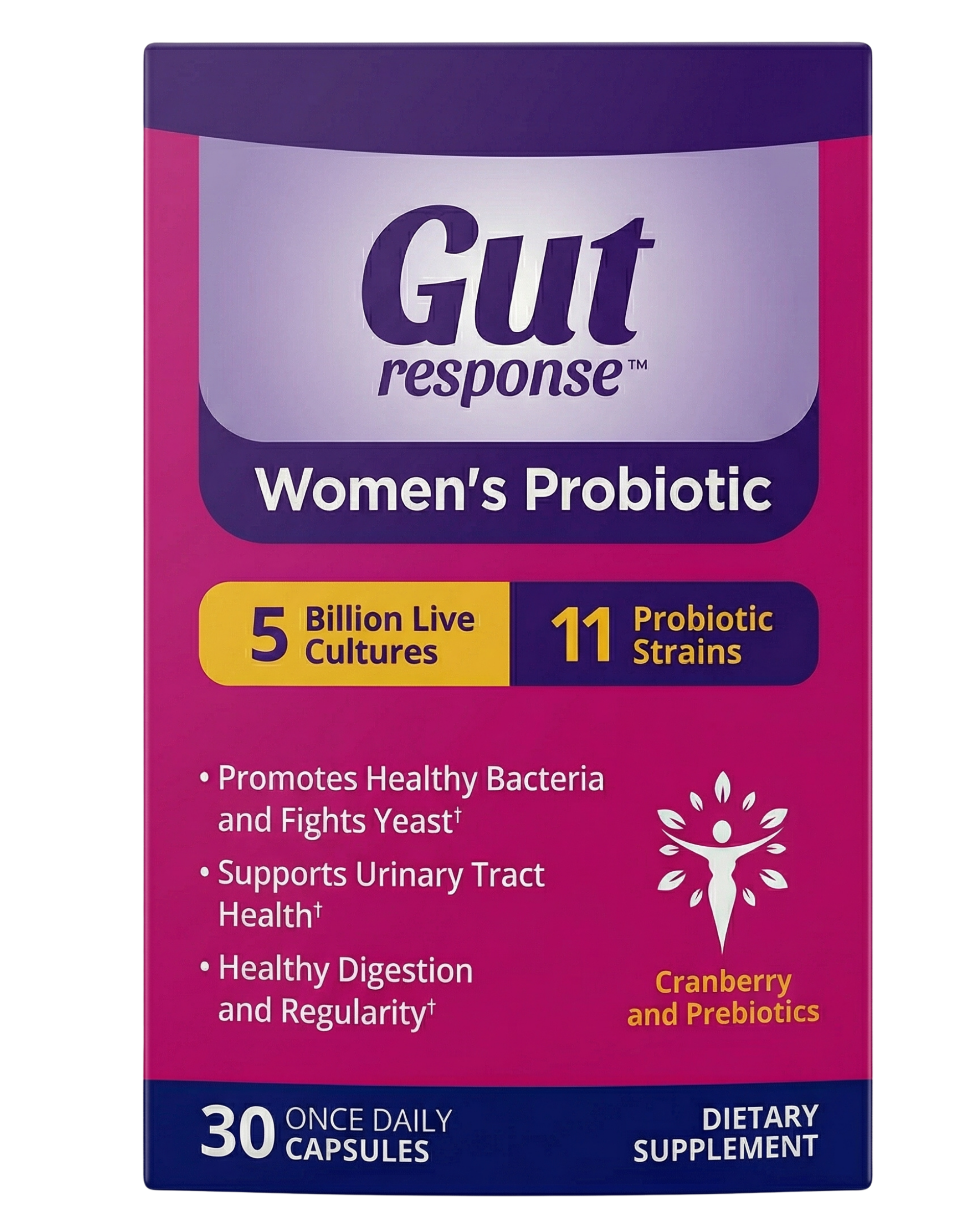
- Women's formula: Gut Response Women's Probiotic Digestive Health Capsules 30ct — formulated with strains specifically studied in women's digestive and vaginal health research.
- Stress and gut connection: Gut Response Stress Probiotic Mood & Digestive Support Caplets 30ct — designed for the gut-brain axis, pairing well with what you'll learn in our stress and gut health article.
- Chewable option: Windmill Chewable Probiotic 1 Billion CFU with Fruits & Vegetables Tablets 100ct — ideal if you prefer not to swallow capsules or want a lighter daily maintenance dose.
Never miss a dose.
Evidence-based wellness guides like this one, in your inbox. No hype, no spam — unsubscribe anytime.